Phone tracker apps are becoming increasingly popular as tools for both personal safety and digital management, allowing users to monitor device locations, track activity, and enhance security. Whether used by families to ensure child safety or by businesses to manage company devices, these applications offer a wide range of features that go beyond simple GPS tracking. In this guide, we’ll explore what is a phone tracker app, how it works, its key benefits, and important considerations before using solutions like those provided by PhoneTracker247.
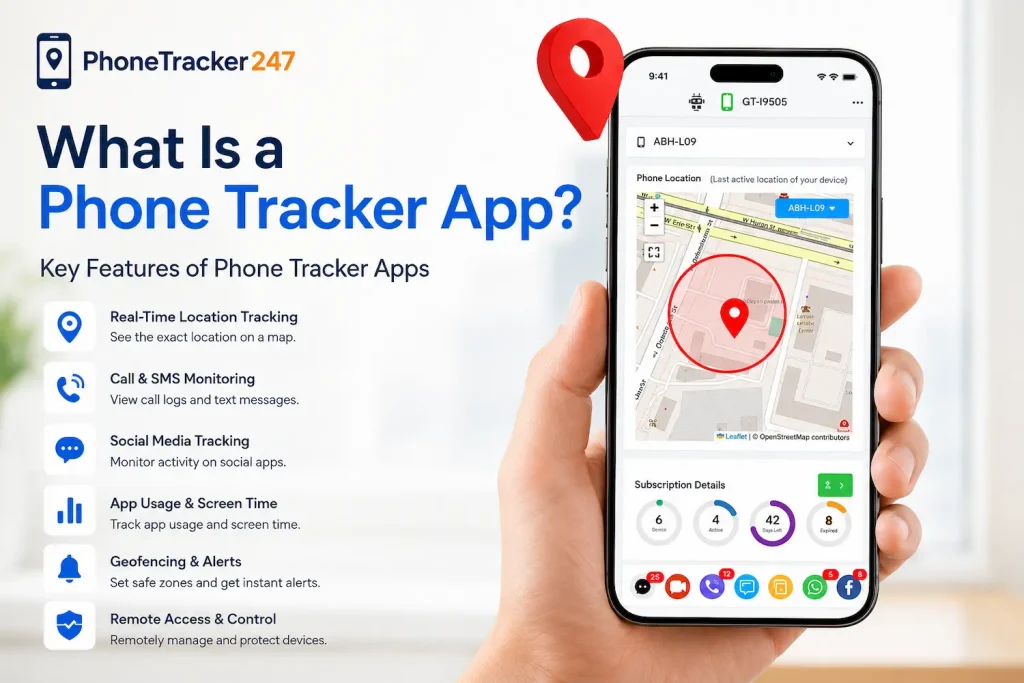
What Is a Phone Tracker App? Key Features of Phone Tracker Apps
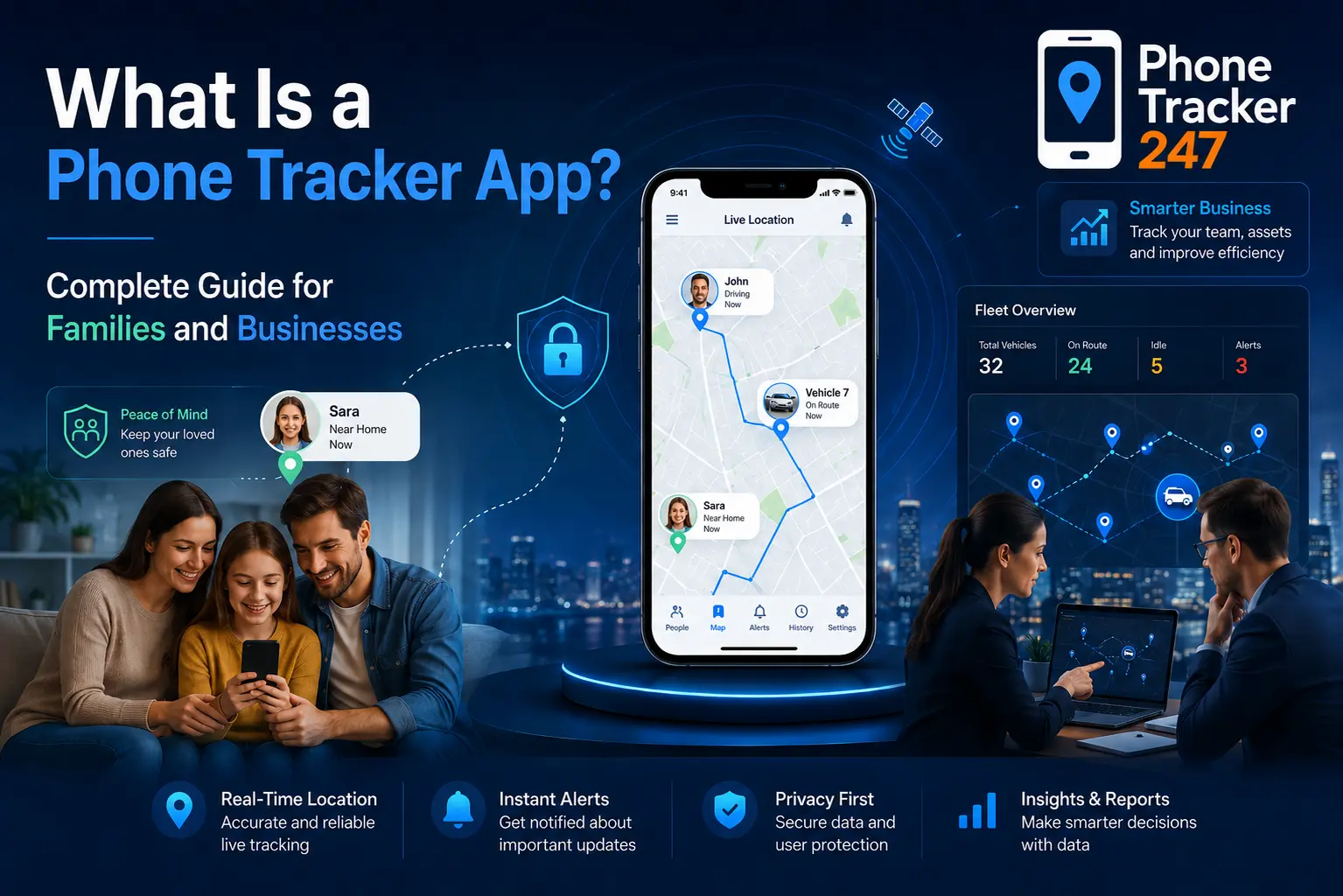
A phone tracker app is a software solution designed to help users monitor and manage devices that they own or have explicit permission to track. These applications are commonly used by families, employers, and organizations to enhance safety, improve productivity, and manage devices in a transparent and lawful manner. Solutions such as those provided by PhoneTracker247 focus on responsible, consent-based tracking to ensure ethical use.
Key features of phone tracker apps include:
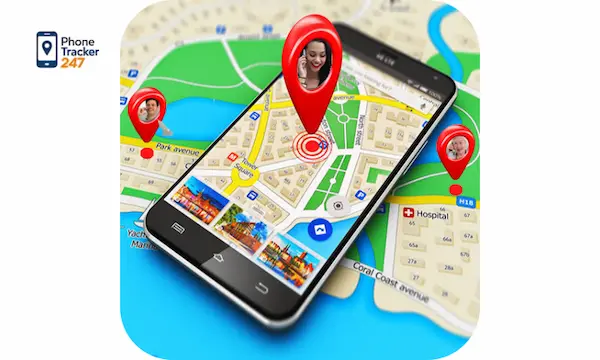
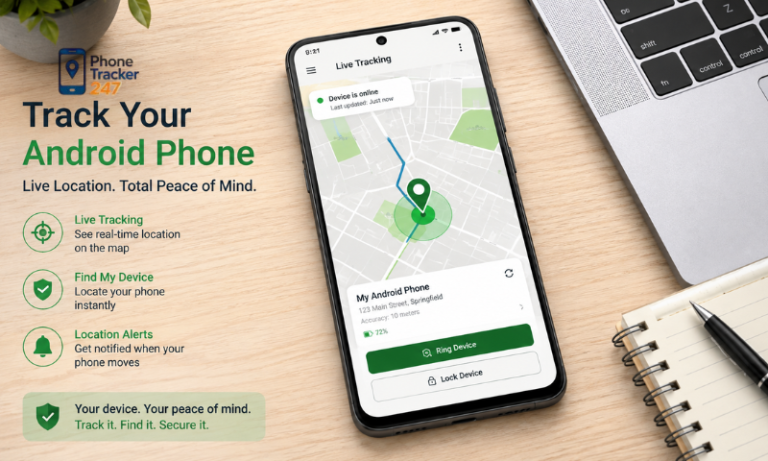
- Real-time location tracking: View the current GPS location of a device with high accuracy.
- Location history: Access past movement data over a selected period of time for better tracking insights.
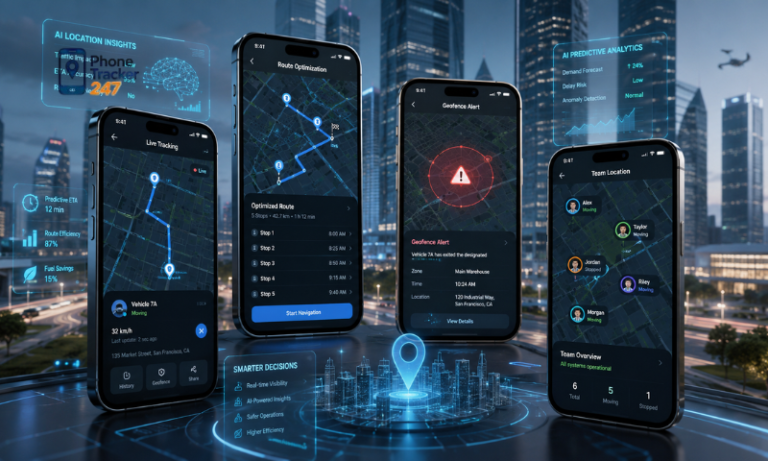
- Geofencing alerts: Receive instant notifications when a device enters or leaves predefined safe zones.
- Device management tools: Monitor usage patterns and manage activity on company-owned or family devices.
- Emergency (SOS) alerts: Allow users to quickly send alerts in case of emergencies for added safety.
These features are designed to support safety, transparency, and responsible device management, not unauthorized or hidden monitoring.
How Phone Tracker Apps Work
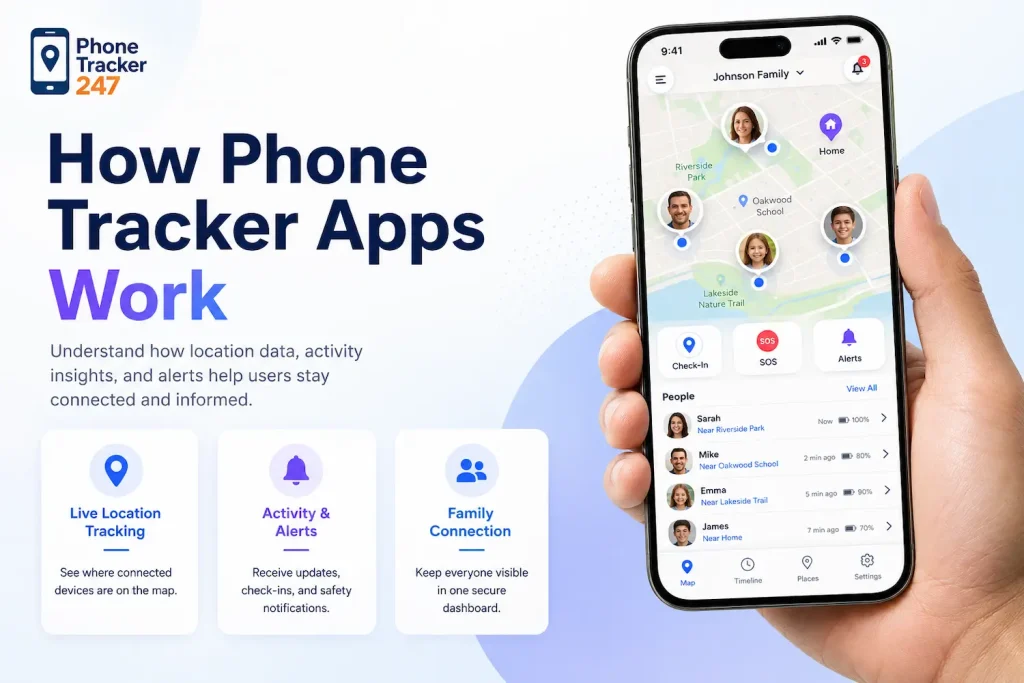
Phone tracker apps operate by combining multiple positioning technologies such as GPS, Wi-Fi signals, and mobile network data to determine a device’s location in real time. When installed on a device with proper consent, these apps continuously collect location-related data and transmit it securely to a centralized dashboard or mobile interface for authorized users to view.
Unlike simple location tools, modern tracking apps are designed to provide real-time updates, historical movement data, and secure access control, making them useful for families and businesses that manage multiple devices.
Installation with user consent
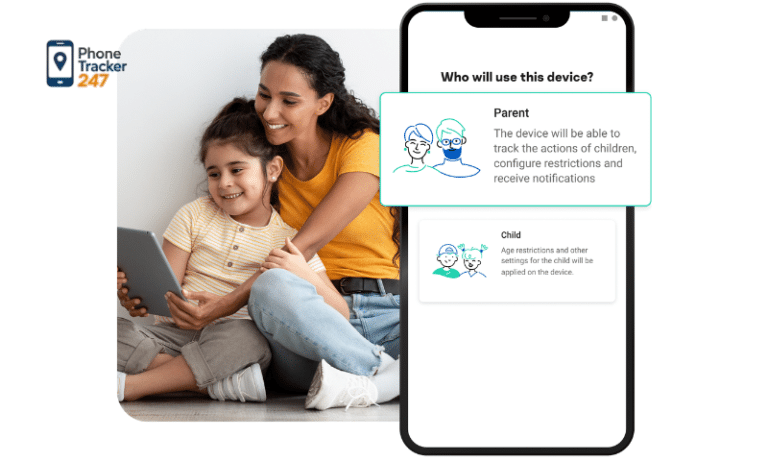
The process always begins with installation on a device where the owner has given explicit permission. This consent-based approach is essential for both legal and ethical use.
- The app is installed directly on the target device
- The user must accept tracking permissions during setup
- An account is created to link the device to the monitoring system
- Initial configuration may include selecting tracking features and alert settings
This step ensures transparency, accountability, and legal compliance from the very beginning, preventing misuse of tracking technology.
Location data collection
After installation, the app begins collecting location information using multiple positioning systems to improve accuracy and reliability.
- GPS provides highly accurate real-time positioning outdoors
- Wi-Fi signals help refine location accuracy in indoor environments
- Mobile network data ensures continuous tracking when GPS is unavailable
- Some systems also use sensor data to improve movement detection
By combining these technologies, phone tracker apps reduce errors and ensure stable tracking even in challenging environments such as urban areas or indoor spaces.
See more: How to See Time Spent on Apps Across iPhone, Android, Mac, and Windows
Secure data transmission
Collected data is not stored locally for long periods but is transmitted securely to remote servers for processing and access control.
- Location data is encrypted before transmission
- Information is sent to secure cloud-based infrastructure
- Multi-layer authentication protects user accounts
- Only authorized users can access tracking data
This security model is designed to protect sensitive location information from unauthorized access, ensuring privacy and data integrity.
Real-time monitoring access
Once processed, the data is made available through a user-friendly dashboard or mobile application, allowing authorized users to monitor devices efficiently.
- Live location tracking displayed on interactive maps
- Movement history and route playback for past activities
- Geofencing alerts when a device enters or exits defined zones
- Optional notifications for unusual or unexpected movement
These features make tracking more than just observation—it becomes a tool for safety management, coordination, and decision-making in real time.
Consent-based tracking principle
All legitimate phone tracker apps operate on a strict consent-first principle, ensuring ethical and lawful usage.
- Users must explicitly agree to be tracked before activation
- Device owners retain control over permissions and settings
- Tracking can typically be paused or disabled by the owner
- Unauthorized or hidden tracking is not supported by compliant systems
This principle ensures that phone tracker technology remains a tool for responsible safety management, not invasive or covert surveillance.
Privacy and Legal Considerations
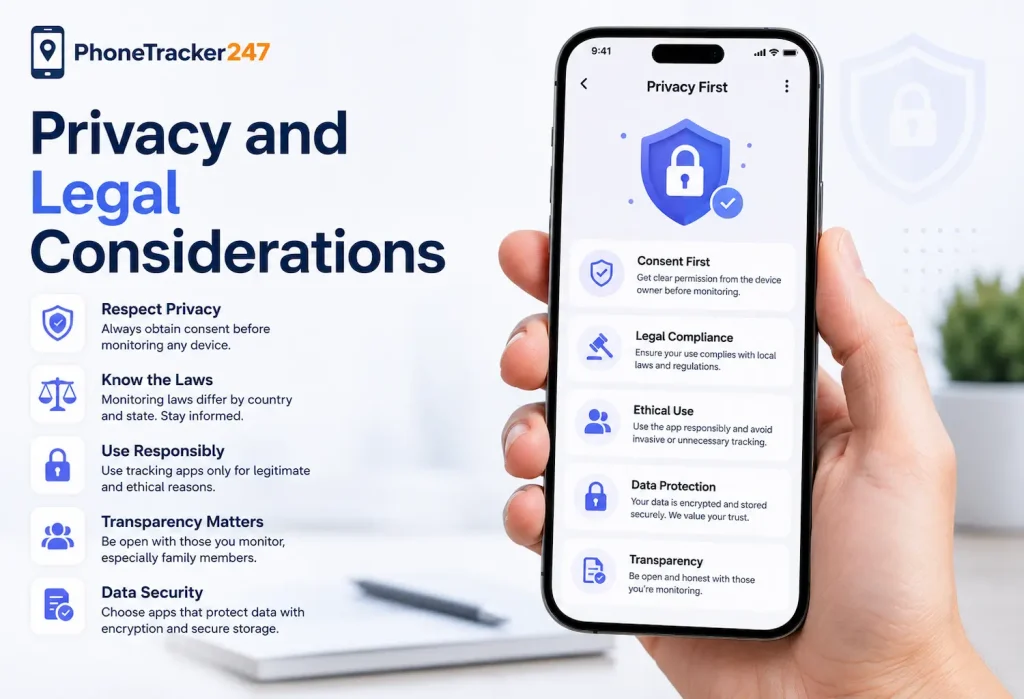
Using phone tracker apps requires strict adherence to privacy laws and local regulations. These tools involve sensitive location data, so any misuse or unauthorized tracking can lead to legal consequences in many countries. Responsible and transparent usage is essential to ensure both safety and compliance.
Important considerations:
- Always obtain explicit consent from the device owner: Tracking should only be done with clear permission from the person being monitored.
- Only track devices you legally own or manage: This includes family-shared devices, company-owned phones, or devices under formal management agreements.
- Follow data protection laws and privacy regulations: Users must comply with applicable laws such as GDPR or local data privacy rules depending on the region.
- Avoid hidden or non-consensual tracking: Unauthorized monitoring is illegal and violates ethical standards in most jurisdictions.
Responsible use of tools like those provided by PhoneTracker247 ensures that tracking remains ethical, secure, and legally compliant.
See more: How to Track Child’s Phone Usage With a Parental Control App
How to Choose the Right Phone Tracker App
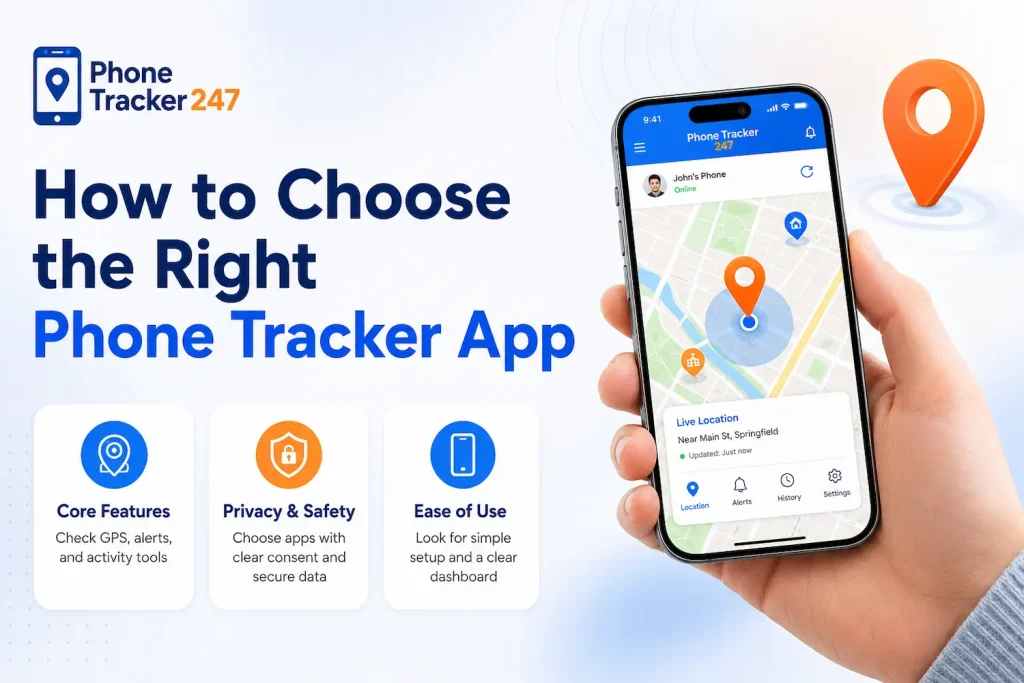
When selecting a phone tracker app, it is essential to focus on transparency, security, and usability. Since these tools involve sensitive location data, choosing the right provider ensures both effective performance and compliance with privacy laws.
Key factors to consider:
- Legal compliance and consent-based tracking features: Ensure the app only supports tracking with clear user permission and follows applicable data protection regulations.
- Accurate real-time GPS tracking: The app should provide reliable and up-to-date location data with minimal delay.
- User-friendly dashboard and mobile interface: A clear and intuitive interface makes it easier to manage devices and interpret tracking information.
- Data security and encryption standards: Strong encryption and secure data storage are critical to protect sensitive location information.
- Customer support and provider reliability: Choose a service with responsive support and a proven track record of stability and updates.
A trusted solution like PhoneTracker247 should always prioritize ethical usage, user consent, and secure tracking practices to ensure both safety and compliance.
FAQs – What Is a Phone Tracker App?
1. What is a phone tracker app?
It helps users monitor device location and activity.
2. How does a phone tracker app work?
It uses GPS, Wi-Fi, and mobile network data.
3. Who uses phone tracker apps?
Families, parents, businesses, and organizations use them.
4. Can it show real-time location?
Yes, many apps show live GPS location.
5. Can it show location history?
Yes, location history shows past routes and movements.
6. What are geofencing alerts?
They notify users when a device enters or leaves safe zones.
7. Can phone tracker apps help businesses?
Yes, they help manage company-owned devices responsibly.
8. Are phone tracker apps legal?
Yes, when used with consent, ownership, or legal authority.
9. Is hidden tracking allowed?
No, responsible apps require transparent and lawful use.
10. What should users check first?
Check consent, privacy, security, accuracy, and support.
Conclusion
Phone tracker apps can be powerful tools for improving safety and managing devices, as long as they are used ethically and with proper consent. Whether for families or businesses, the key is transparency, legality, and responsible usage.
If you are looking for a reliable and consent-based tracking solution, PhoneTracker247 offers tools designed to help you manage devices safely, securely, and in compliance with privacy standards.
For daily updates, subscribe to PhoneTracker’s blog!
We may also be found on Facebook!