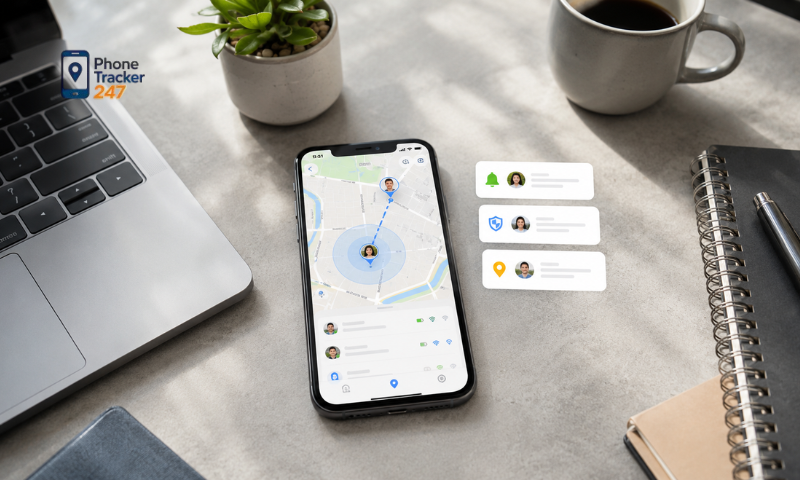
Free phone tracking apps are increasingly used to track device locations, help find lost phones, or monitor the whereabouts of family members when necessary. However, besides the benefits of convenience and cost savings, these apps also come with several limitations related to accuracy, features, and privacy. Therefore, understanding their advantages, disadvantages, and safer alternatives can help users apply location-tracking technology more effectively and appropriately. In this article, PhoneTracker247 will explore the benefits, limitations, and safer options when using free phone tracking apps.
Contents
Benefits of Free Phone Tracker Apps
Free phone tracker apps are widely used because they offer a simple and convenient way to locate devices, share locations, and stay connected with family members. Although they may not include all advanced features, they can still be useful for basic location-tracking needs.
Help Locate Lost or Misplaced Phones
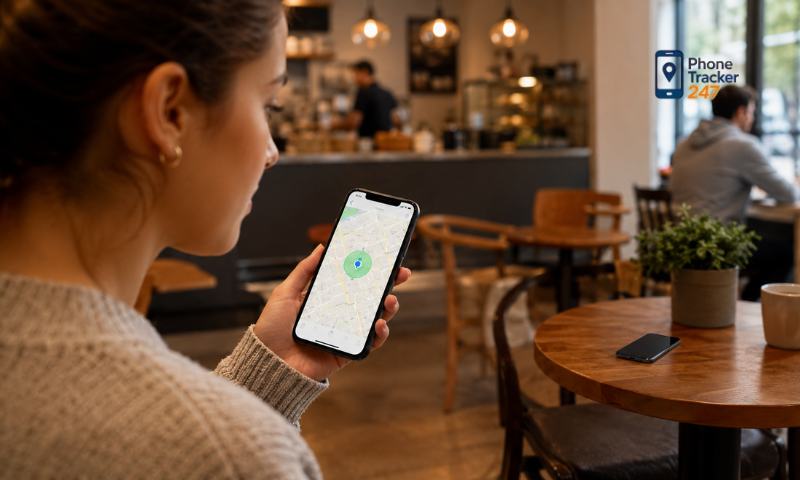
One of the main benefits of free phone tracker apps is helping users find lost or misplaced devices. By using location services, these apps can show the phone’s last known or current location.
Key benefits include:
- Helping users quickly check where a phone was last seen.
- Improving the chance of recovering a lost device.
- Reducing stress when a phone is misplaced.
- Supporting basic device location without extra cost.
This makes free phone tracker apps useful for everyday situations where users need to locate their devices quickly.
Support Family Safety
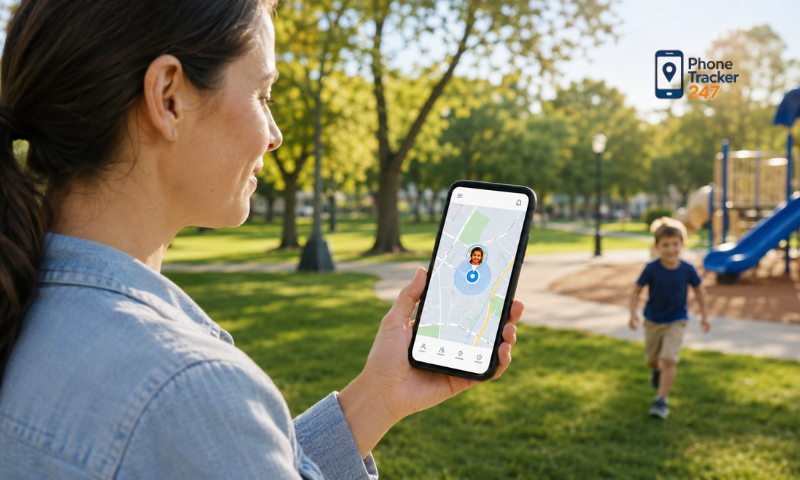
Many free phone tracker apps allow family members to share their locations with each other. This can be helpful for parents, children, or relatives who want to stay connected.
Common uses include:
- Parents checking their children’s location.
- Family members coordinating daily travel.
- Sharing locations during trips or outdoor activities.
- Staying connected in urgent situations.
When used with consent, location sharing can support family safety and improve communication.
Cost-Effective Solution
Free phone tracker apps are attractive because they provide basic tracking features without requiring a paid subscription. This makes them suitable for users who only need simple location support.
Advantages include:
- No upfront cost.
- Basic location tracking for everyday use.
- Suitable for users with limited needs.
- A practical option before upgrading to paid tools.
For users who do not need advanced reports or premium features, free apps can be a budget-friendly choice.
See more: Best Phone Tracker App: How to Choose the Right Solution
Easy Setup and User-Friendly Features
Most free phone tracker apps are designed to be simple and easy to use. Users can usually install the app, create an account, and start using location features within a short time.
User-friendly points include:
- Simple installation process.
- Easy account setup.
- Clear location-sharing features.
- Basic controls that are suitable for most users.
With easy setup and accessible features, free phone tracker apps can be a convenient option for beginners.
Overall, free phone tracker apps can provide helpful benefits such as device location, family safety support, cost savings, and simple setup. However, users should still consider privacy, consent, and security before using any tracking app.
Limitations of Free Phone Tracker Apps
Although free phone tracker apps can be useful for locating devices or sharing locations, users should understand their limitations before relying on them. These apps may not always provide accurate data, full features, or strong privacy protection.
Some common limitations include:
- Limited accuracy: Location data may depend on GPS signal, internet connection, and device settings. In some cases, the displayed location may be delayed or not fully accurate.
- Restricted features: Many free apps only provide basic tracking. Advanced tools such as location history, geofencing, emergency alerts, and detailed reports are often available only in paid plans.
- Privacy and security concerns: Some free apps may collect user data, show intrusive ads, or request unnecessary permissions. Users should review the app’s privacy policy carefully before installing it.
- Dependence on internet and GPS: Most tracking apps require both GPS and internet access to work properly. If either service is turned off or unavailable, tracking may become unreliable.
Understanding these limitations helps users make safer decisions and choose a phone tracking solution that better fits their privacy, security, and reliability needs.
See more: Phone Tracker App Download Checklist: What to Prepare Before Setup
Safer Alternatives to Free Phone Tracker Apps
For users who care about security, privacy, and reliable performance, safer alternatives to free phone tracker apps are worth considering. These options are often more transparent, easier to manage, and better suited for responsible location sharing.
Some safer alternatives include:
- Apple’s Find My: A built-in solution for iPhone users that helps locate devices, share locations with trusted contacts, and activate Lost Mode when needed.
- Google’s Find My Device: A trusted option for Android users, allowing them to locate, lock, or erase a lost device remotely.
- Consent-based location sharing apps: These apps focus on voluntary location sharing between family members or friends, helping ensure transparency and mutual agreement.
- Family safety platforms: Dedicated family safety tools may include real-time location updates, geofencing, emergency alerts, and driving reports while giving users more control over privacy settings.
Choosing a safer alternative helps users track devices or share locations more responsibly, while reducing privacy risks and improving overall security.
Important Considerations When Using Phone Tracking Apps
Before using any phone tracking app, users should understand how the app works, what data it collects, and whether it is being used in a safe and lawful way. This helps protect privacy, improve security, and ensure the app is used responsibly.
Key considerations include:
- Respect privacy and consent: Location tracking should only be done with the knowledge and permission of the person being tracked. This is essential for maintaining trust and complying with applicable laws.
- Review app permissions carefully: Users should check what permissions the app requests, such as location, contacts, camera, or device data, and only allow access that is truly necessary.
- Choose reputable providers: Apps should be downloaded from trusted developers and official app stores to reduce the risk of malware, data misuse, or security issues.
- Keep software updated: Regular updates help fix bugs, improve performance, and strengthen security for both the tracking app and the device operating system.
- Understand the app’s limitations: No phone tracking app is completely perfect. Accuracy may depend on GPS signal, internet connection, device settings, and available features.
By considering these factors, users can use phone tracking apps more safely, responsibly, and effectively.
Conclusion
Free phone tracker apps can be useful tools for locating lost devices, improving family coordination, and accessing basic location-sharing features without additional costs. However, they also come with limitations related to accuracy, functionality, privacy, and security.
Before choosing a phone tracking solution, take the time to evaluate your specific needs, compare available options, and prioritize privacy and security. Whether you select a free tracker app or a built-in platform such as Find My or Find My Device, choosing a trusted and transparent solution will help ensure a safer and more reliable experience.