
Cyberbullying on Social Media is no longer a rare or occasional problem – it has become one of the most serious digital risks facing children and teenagers today. As social platforms play a bigger role in how young people communicate and form relationships, online harassment has quietly taken the place of traditional playground bullying, often causing deeper emotional harm that lasts far longer.
For many parents, this danger feels invisible. A child may seem safe at home, scrolling on their phone in their bedroom, while in reality they are facing cyberbullying on Social Media in real time through hurtful messages, public humiliation, group chat exclusion, or anonymous attacks. This guide is designed to help parents understand what’s really happening, spot early warning signs, and learn how modern tools can protect children before the damage becomes long-term.
Understanding Cyberbullying on Social Media and Why It’s Different
Cyberbullying on Social Media involves repeated and deliberate actions designed to harass, shame, or humiliate someone through online platforms. While an isolated negative comment can be painful, this form of bullying typically follows a sustained pattern aimed at intimidating, isolating, or emotionally harming a child over time.
How Cyberbullying on Social Media Happens Today
Cyberbullying on Social Media can take many forms:
- Public shaming through comments, posts, or videos
- Spreading rumors or false information
- Deliberate exclusion from group chats or online communities
- Sharing private photos or messages without consent
- Impersonation using fake or hacked accounts
These behaviors are often:
- Repetitive rather than one-time incidents
- Disguised as “jokes” or peer pressure
- Difficult for parents to detect without context
A key danger of online bullying on social platforms is its permanence:
- Screenshots preserve harmful content
- Reposts allow abuse to spread rapidly
- Digital traces can resurface long after the original incident
What makes cyberbullying on Social Media especially dangerous is its permanence. Screenshots, reposts, and viral sharing can turn a single moment into long-term humiliation.

Why Cyberbullying on Social Media Hits Harder Than Traditional Bullying
Traditional bullying had limits – time, place, and audience. Cyberbullying on Social Media removes all three.
- Always-on access: Children can be targeted 24/7.
- Public exposure: A large audience amplifies shame.
- Anonymity: Bullies feel less accountable.
- No safe space: Even home no longer feels secure.
Studies consistently link social media bullying to anxiety, depression, academic decline, and social withdrawal – making early intervention critical.
Table 1: Cyberbullying Types on Social Media vs Best Response
| Cyberbullying pattern | What it looks like (common signals) | Best first move | What to document | When to escalate |
|---|---|---|---|---|
| Harassment and threats | Repeated insults, hostile DMs, relentless tagging | Block + report immediately, lock privacy | Screenshots, usernames, timestamps | If threats persist or feel unsafe, involve school and local authorities |
| Impersonation | Fake profile using your name/photos | Report as impersonation, ask friends to report | Profile URL, screenshots, follower list | If identity theft or financial harm is involved |
| Rumors and humiliation posts | “Call-out” posts, story screenshots, mass sharing | Do not engage publicly, report and request removal | Post links, comments, shares count, timestamps | If it spreads at school or causes ongoing harm |
| Dogpiling and pile-on comments | Many accounts attacking at once | Turn off comments, restrict mentions, report the thread | Post link, top abusive comments, account handles | If coordinated harassment continues |
| Exclusion and social sabotage | Group chat kick-outs, public “uninvite” posts | Private check-in, limit exposure, adjust privacy | Screenshots of invites/removals | If it becomes a repeated school pattern |
| Doxxing (sharing personal info) | Address, school, phone number posted | Report urgently, tighten privacy, ask platform to remove | Screenshots before removal | Immediately if real-world safety is at risk |
| Non-consensual image sharing | Private images reposted or used to shame | Report fast, request takedown, block offenders | Links, screenshots, account details | Immediately, and consider legal support if needed |
| Stalking and pressure messages | Persistent “where are you” messages, coercive DMs | Block, report, restrict who can DM | Message screenshots, frequency notes | If it feels controlling or threatens safety |
Platforms Where Cyberbullying on Social Media Most Often Occurs
Cyberbullying on Social Media adapts to wherever children socialize online. While platforms change, patterns remain consistent.
Instagram and TikTok
These visually driven platforms are hotspots for online harassment among teens related to appearance, popularity, and social status. Negative comments, mocking videos, and viral humiliation are common.
Snapchat
Snapchat’s disappearing messages give children a false sense of safety. In reality, Cyberbullying on Social Media often continues through screenshots and saved media.
Messaging Apps and Group Chats
WhatsApp, Messenger, and Discord are frequently used for exclusion, rumor-spreading, and coordinated peer harassment online behind closed doors.
Parents should remember: Cyberbullying on Social Media does not require public posts – it often thrives in private digital spaces.

Why Children Rarely Tell Parents About Cyberbullying
One of the most painful realities of Cyberbullying on Social Media is silence.
Children often don’t speak up because they fear:
- Losing access to their phone or social media
- Being blamed or misunderstood
- Escalating the situation if adults intervene
- Being told to “ignore it”
Many victims believe Cyberbullying on Social Media is something they must handle alone. As a result, parents may only discover the issue when emotional damage is already severe.
Early Warning Signs of Cyberbullying on Social Media
Because children may not speak openly, parents must learn to recognize subtle warning signs of toxic behavior on social platforms. These signs often appear gradually and may affect a child emotionally, behaviorally, and digitally.
Emotional Signs
Children facing Cyberbullying on Social Media may show sudden mood changes, especially after using their phones. You might notice increased anxiety, quietness, or visible sadness with no clear cause. A drop in self-confidence or expressing negative thoughts about themselves can also signal emotional harm triggered by online interactions.
Behavioral Signs
Watch for a shift in daily routines – such as avoiding school, withdrawing from friends, or skipping favorite activities. Changes in sleep or eating patterns, frequent complaints of feeling “sick,” or declining grades can also stem from the emotional toll of Cyberbullying on Social Media.
Digital Signs
Increased secrecy around phones, obsessive checking, or suddenly deleting social media accounts may suggest that something is wrong. If your child becomes defensive when asked about online activity or hides screens quickly, it’s time to dig deeper.
While these signs don’t confirm digital bullying targeting teenagers, noticing several at once is a strong reason to start a gentle, supportive conversation.

Table 2: Best Cyberbullying Protection Options Compared
| Rank | Option | What it helps with | Strengths | Limitations | Best for |
|---|---|---|---|---|---|
| 1 | PhoneTracker247 | Routines, safer screen time, visibility into risky patterns (feature set depends on OS) | One dashboard for household rules, consistent schedules | Not a magic fix, works best with clear family agreement | Families who want structure plus ongoing check-ins |
| 2 | Platform safety tools (Instagram/TikTok/Snapchat/etc.) | Block, report, comment filters, mention limits, DM controls | Most direct way to stop contact on that platform | Settings vary by app and change over time | Fast, targeted protection inside one app |
| 3 | OS controls (iOS Screen Time, Android Family Link) | App limits, downtime, install approvals | Reliable foundation, reduces late-night exposure | Limited insight into what happens inside apps | Younger teens, baseline rules for any phone |
| 4 | Privacy lockdown playbook | Private profile, friends-only contact, limited tagging | Big risk reduction with low conflict | Needs periodic re-check after updates | Anyone being targeted right now |
| 5 | Evidence and reporting workflow | Screenshots, timestamps, formal reports | Helps platforms and schools act faster | Requires calm, consistent follow-through | Repeated harassment, ongoing school issues |
| 6 | School escalation plan | Counselor, admin, anti-bullying policy steps | Addresses peer groups and campus-related harm | Can be slow without clear documentation | Bullying involving classmates |
| 7 | Wellbeing support plan | Stress reduction, confidence, coping skills | Prevents long-term emotional impact | Not instant, needs time and support | Ongoing anxiety, sleep loss, mood changes |
| 8 | Network filtering (router/DNS) | Blocks certain sites on home Wi-Fi | Useful baseline at home | Not reliable on mobile data | Younger kids at home, homework hours |
Practical Ways Parents Can Protect Kids from Cyberbullying on Social Media
Protecting children from Cyberbullying on Social Media requires a balanced approach. Parents need practical communication strategies, clear boundaries, and the right digital tools to stay informed – without damaging trust or privacy.
Have Real, Honest Conversations About Online Life
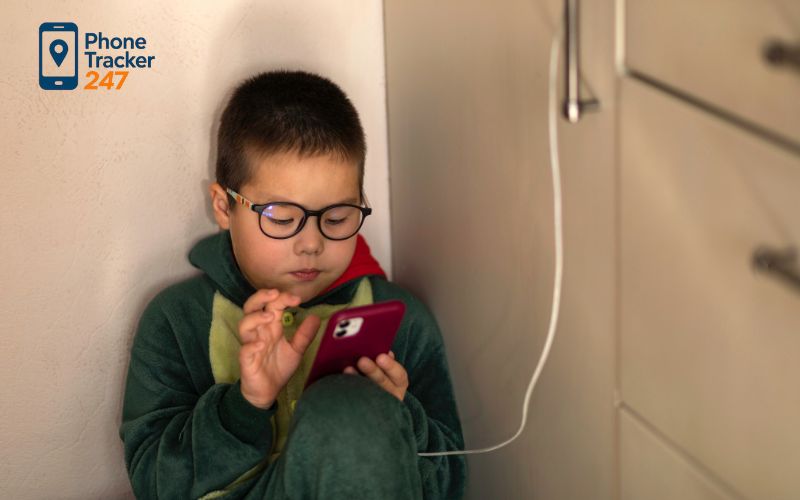
One of the most effective ways to protect children from Cyberbullying on Social Media is through realistic, ongoing conversations. Instead of formal “lectures,” parents should ask open-ended questions about how social media makes their child feel, who they interact with online, and whether anything has ever made them uncomfortable.
Children are far more likely to share concerns when they feel heard rather than judged. Avoid immediate reactions like taking away phones or blaming the child, as this often discourages future honesty. Creating a safe emotional space helps children report peer harassment online early – before it escalates.
Teach Practical Coping Skills and Digital Boundaries
Parents should teach children how to respond when Cyberbullying on Social Media occurs. This includes blocking abusive accounts, reporting harmful behavior, and understanding that they do not need to respond to provocation. At the same time, setting healthy digital boundaries – such as limiting nighttime phone use or reviewing privacy settings together – reduces exposure to online stress.
Clear boundaries also help parents notice unusual behavior changes, which are often early indicators of harassment targeting children online.
Using Phone Tracking Apps as a Parental Support Tool
Phone tracking apps can play a supportive role when used responsibly. Rather than reading messages or invading private conversations, these tools help parents understand behavioral patterns related to phone use.
Common Types of Phone Tracking Apps Today
Many parents explore different phone tracking solutions, each with its own strengths and limitations:
- Built-in parental controls (Apple Screen Time, Google Family Link):
These tools are easy to use and free but offer limited insight into behavioral trends. They focus mainly on time limits rather than emotional warning signs linked to Cyberbullying on Social Media. - Basic monitoring apps:
Some apps track app usage and location but lack advanced behavior analysis. They may provide data without context, leaving parents unsure how to interpret changes. - Overly intrusive monitoring apps:
Apps that read messages or record activity can seriously damage trust and may raise legal or ethical concerns, especially with older children.
Why Parents Choose Phone Tracker App 247
Phone Tracker App 247 is designed for parents who want awareness without surveillance. Instead of spying, it focuses on early detection and prevention of risks like Cyberbullying on Social Media.
Key advantages include:
- App usage insights that reveal sudden or unusual changes
- Screen time trend analysis rather than isolated numbers
- Location awareness to support real-world safety
- Behavior alerts that may signal emotional distress
By highlighting patterns, Phone Tracker App 247 helps parents start informed, supportive conversations and intervene before cyberbullying on Social Media causes lasting harm their child.

Build Emotional Resilience Beyond the Screen
No technology can replace emotional support. Encouraging children to develop offline friendships, hobbies, and confidence helps reduce the emotional impact of Cyberbullying on Social Media. Children with strong self-esteem are more likely to seek help and less likely to internalize online harassment.
Work with Schools and Other Parents When Necessary
When Cyberbullying on Social Media involves classmates, early communication with schools and other parents can help stop the behavior quickly. Collaboration ensures children are supported both online and offline.
FAQs
1. What is cyberbullying on social media?
Cyberbullying is repeated harassment or humiliation using posts, comments, DMs, group chats, or fake accounts. It can be public (comments) or private (messages).
2. What are quick signs a child is being cyberbullied?
Sudden avoidance of the phone, mood swings after scrolling, sleep issues, secrecy, or refusing school or activities are common signs. You may also notice new accounts repeatedly contacting them.
3. What should a parent do first when cyberbullying happens?
Stay calm, reassure your child, and stop the contact by blocking and reporting. Then tighten privacy and message settings right away.
4. Should kids reply to bullies or defend themselves publicly?
Usually no. Replying can escalate the situation and attract more attention. Blocking, reporting, and saving evidence is typically more effective.
5. How do I document cyberbullying the right way?
Capture screenshots with usernames, timestamps, and the full context of the post or chat. Save links, and keep everything in one folder in case the content gets deleted.
6. When should you involve the school?
Escalate when the bully is a classmate, the harassment spreads through school groups, or it affects attendance, grades, or safety. Schools can enforce policies and help stop peer-based harassment.
7. When is it serious enough to contact authorities?
If there are credible threats, stalking behavior, or sharing of personal info, involve a trusted adult immediately and consider contacting local authorities. Safety comes first.
8. What settings and tools help prevent cyberbullying on social media?
Use private profiles, friends-only messaging, restricted comments and tags, and time limits to reduce exposure. A parental control dashboard like PhoneTracker247 can help enforce routines, but platform privacy controls still matter most.
Conclusion: A Safer Digital World Starts With Informed Parents
Cyberbullying on Social Media is not a phase children will simply “grow out of.” It is a structural issue of modern digital life that requires awareness, empathy, and proactive tools.
Parents don’t need to read every message or control every interaction. They need visibility, understanding, and support systems that allow early intervention.
Quick Summary Comparison Table
| Situation | Fastest safe move | Next best step | Goal |
|---|---|---|---|
| Mean comments or teasing posts | Block + report + hide comments | Switch to private, restrict mentions/tags | Stop public pile-on |
| Harassing DMs | Restrict DMs to friends only | Block the account and report the chat | Cut off access |
| Fake account impersonation | Report as impersonation | Ask close friends to report too | Remove the profile faster |
| Rumors spreading in school groups | Save evidence (screenshots + links) | Contact school counselor/admin with proof | Stop offline spillover |
| Doxxing or threats | Report urgently + tell a trusted adult now | Escalate to school/authorities if needed | Real-world safety |
| Child is anxious or losing sleep | Pause social apps at night | Reset routines + supportive check-ins | Protect wellbeing |
By combining open communication with responsible technology like Phone Tracker App 247, families can reduce the risks of Cyberbullying on Social Media and help children feel safe – both online and offline.
For daily updates, subscribe to PhoneTracker’s blog!
We may also be found on Phone Tracker App on Facebook!