
Protecting children while using an iPod has never been easier with iPod Parental Controls. In this article, PhoneTracker247 will guide parents step by step on how to set up, manage access permissions, and control content on an iPod, helping children enjoy the device safely while giving parents peace of mind about their kids’ digital activities.
Contents
Why Parents Should Use iPod Parental Controls
In the digital age, children are increasingly using iPods and iOS devices like iPhones for learning, entertainment, and communication. However, using these devices without supervision can expose them to inappropriate content, accidental in-app purchases, or excessive screen time.
Setting up iPod parental controls allows parents to easily monitor usage, manage content, and limit screen time, helping protect children from online risks. Additionally, features like parental controls for iPhones and iPod touch parental controls help create a balanced and safe environment for both learning and entertainment, giving parents greater peace of mind.
By setting parental controls on an iPod touch, parents can actively control access to apps, websites, music, and videos, while also restricting spending activities. This ensures children can learn and play safely, making it an essential step in building healthy digital habits from an early age.
Key Features of iPod Parental Controls
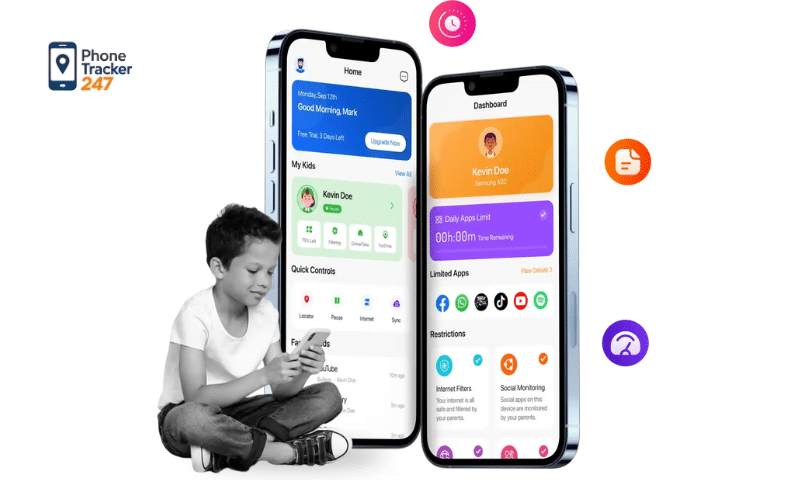
Parental controls on iOS are designed to help parents comprehensively manage their children’s device usage, including iPod Touch, iPhone, and other iOS devices. Key features include:
- Content and app restrictions: Prevent children from accessing apps, games, or websites that are not age-appropriate. Parents can customize restrictions by category, from games and videos to social media, ensuring children are exposed to safe and suitable content.
- Purchase and payment control: Limit children from making unauthorized purchases of music, apps, or books on the App Store. Parents can require password authentication for every transaction, ensuring spending is securely managed.
- Screen time limits: Set downtime schedules or limit time spent on games and videos, helping children balance learning and entertainment. The Screen Time feature on iOS also provides detailed reports on app usage, allowing parents to adjust settings accordingly.
- Settings security: All changes to permissions and restrictions are protected by a passcode, preventing children from modifying them. This ensures parents maintain full control over their child’s digital environment.
With these features, setting parental controls on an iPod touch becomes simple and effective—helping protect children while allowing parents to manage usage easily and create a safe, balanced digital experience across iOS devices.
See more: How to take off parental controls on iphone
Step-by-Step Guide to Setting Up iPod Parental Controls
Setting parental controls on an iPod Touch is a straightforward process when parents follow the right steps. These settings not only help manage content and app access but also play a key role in protecting children from online risks and building healthy digital habits.
Step 1: Access Settings on the iPod
Open the Settings app on the iPod or iPhone. From there, select Screen Time (or Restrictions on older iOS versions). This is the central place where all parental control features are managed.
Step 2: Create a parental control passcode
Tap Use Screen Time Passcode and set a secure, unique password. It’s important to choose a passcode different from the device unlock code so children cannot easily guess or change the settings without permission.
Step 3: Set content and app restrictions
Turn on Content & Privacy Restrictions to start customizing controls. Here, parents can block or limit access to apps, games, websites, and explicit content. Settings can be adjusted based on the child’s age to ensure a safe and appropriate digital experience.
Step 4: Set screen time limits
Use App Limits to define how long children can use specific apps or categories each day. You can also enable Downtime to restrict device usage during certain hours, such as study time, family time, or bedtime, helping children maintain a healthy routine.
Step 5: Review and monitor regularly
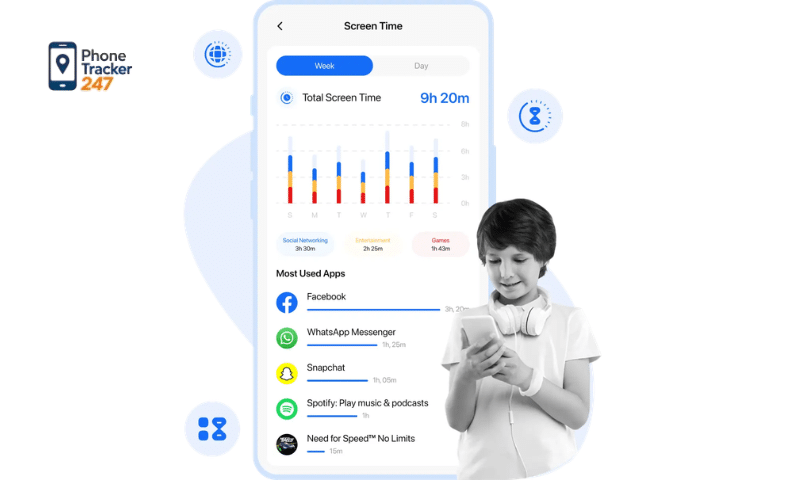
Review Screen Time reports to understand usage patterns, including the most-used apps and total screen time. Based on this data, parents can fine-tune restrictions to better suit their child’s needs. Regular monitoring ensures the controls remain effective over time.
By following these steps, parents can confidently manage their child’s iPod or iPhone usage. Beyond safety, these tools encourage a balanced lifestyle—helping children enjoy technology responsibly while maintaining a healthy balance between learning and entertainment.
See more: How to remove Parental Controls on Android
Tips for Using iPod Parental Controls Effectively
To maximize the benefits of iPod parental controls, parents should go beyond basic setup and adopt smart management habits. The following tips will help ensure better protection, improved control, and a healthier digital experience for children:
- Keep iOS updated regularly: Always make sure the iPod or iPhone is running the latest iOS version. Updates not only fix security vulnerabilities but also enhance parental control features, offering more precise control over apps, content, and privacy settings.
- Use a strong and separate passcode: Set a Screen Time Passcode that is completely different from the device unlock code. Choose a strong, hard-to-guess password and avoid sharing it with children. This ensures that all parental control settings remain secure and unchanged.
- Monitor usage consistently: Regularly review Screen Time reports to understand how your child uses the device. Pay attention to frequently used apps, browsing habits, and total screen time. This insight allows you to adjust limits and restrictions to better suit your child’s routine and needs.
- Customize settings based on age and behavior: Not all children have the same needs. Adjust app limits, content filters, and screen time rules according to your child’s age, maturity level, and daily schedule. Flexible customization helps maintain both safety and usability.
- Set clear rules and expectations: Establish clear guidelines for device usage, such as no phones during meals or before bedtime. When children understand the rules, they are more likely to follow them and develop discipline in using technology.
- Combine with digital education: Talk to your child about online safety, appropriate content, and responsible device use. Explaining the purpose of restrictions helps children understand that these controls are for their protection, not punishment.
- Review and update settings over time: As children grow, their needs and habits change. Periodically revisit and adjust parental control settings to ensure they remain relevant and effective.
By applying these strategies, parents can fully optimize iPod parental controls—protecting children from online risks while fostering a safe, balanced, and responsible digital lifestyle across iOS devices.
Conclusion
Setting up iPod parental controls is an essential step in protecting children in the digital world. Not only does it help restrict inappropriate content, but parental controls for iPhones also enable parents to effectively manage screen time and spending on iOS devices.
Apply the steps for setting parental controls on an iPod Touch today so children can learn and play safely. For more details and tips on using iPod Touch parental controls effectively, parents can visit Apple’s official support page or consult trusted tech experts.