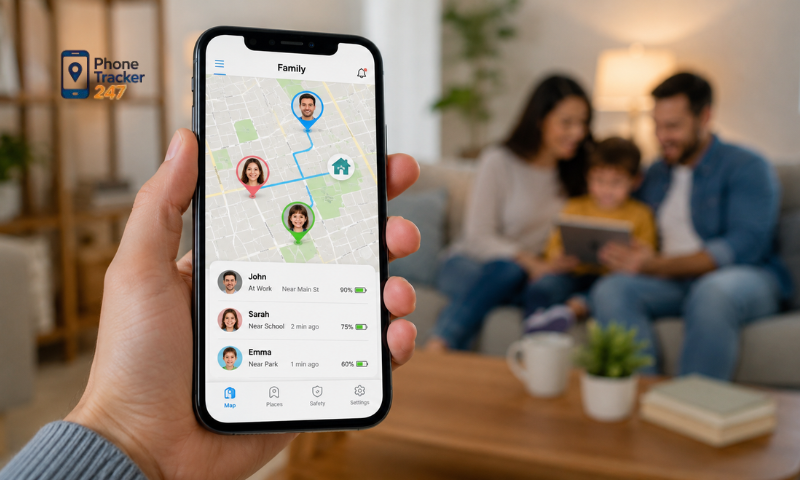
In the digital age, using a family locator app has become a practical solution that helps parents feel more at ease when their children go to school, take part in extracurricular activities, or travel on their own. However, not every app can fully meet the needs for safety, privacy, and convenience. So, what features should the Best Family Locator App have to effectively support parents? Let’s explore the key criteria with Phonetrack247 before choosing the right app for your family.
Contents
Why Are More Families Using Family Locator Apps?
More families are using Family Locator Apps because they offer a simple way to stay connected and improve daily safety. As children travel more independently to school, activities, or friends’ homes, parents need a tool that provides reassurance without constantly calling or texting.
Family Locator Apps are helpful because they can:
- Share real-time locations: Parents can quickly check where family members are when needed.
- Reduce constant check-ins: Children do not need to send repeated updates throughout the day.
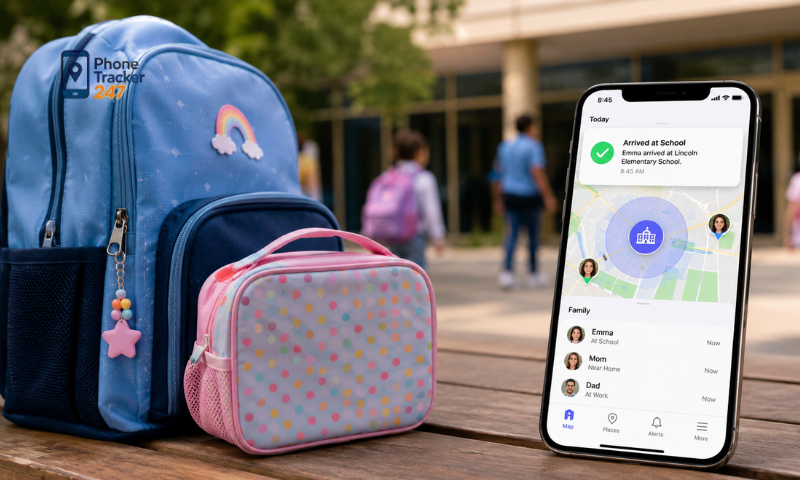
- Send smart alerts: Some apps notify parents when children arrive at or leave important places like school or home.
- Support emergency situations: Location sharing can help families respond faster when something unexpected happens.
- Improve daily coordination: Family members can plan pickups, routes, and schedules more easily.
- Encourage responsible independence: Children can move around more freely while parents still have basic safety visibility.
With smartphones now part of everyday life, Family Locator Apps have become more than simple tracking tools. They help families communicate better, manage daily routines, and feel more secure in busy modern life.
Essential Features of the Best Family Locator App
Not every location-sharing app provides the same level of safety, privacy, and convenience. The best Family Locator App should combine accurate tracking, smart alerts, emergency support, and strong data protection to meet the needs of modern families.
Real-Time Location Sharing
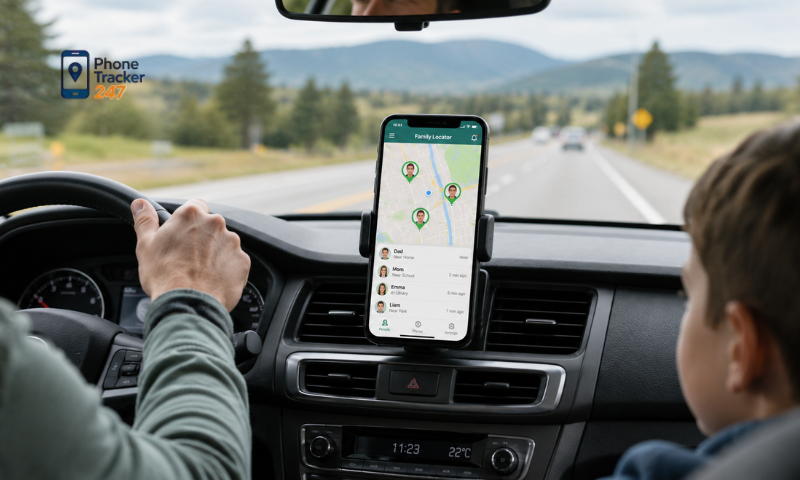
Real-time location sharing is one of the most important features of a reliable Family Locator App. It helps parents stay informed without having to call or message children repeatedly.
This feature allows parents to:
- View the live location of family members.
- Receive regular location updates.
- Check where children are during school or after-school activities.
- Monitor travel progress during family trips.
With accurate real-time tracking, families can stay connected more easily while giving children more responsible independence.
Location History and Timeline
A good Family Locator App should also provide location history, allowing parents to review previous routes and movements when needed.
This feature can help families:
- Review travel routes.
- Confirm arrival and departure times.
- Understand daily routines.
- Check visits to important locations.
Location history is especially useful when a child forgets where they have been or needs help finding something lost during the day.
See more: Family Location Tracking: Safer Ways to Locate Loved Ones
Geofencing and Safe Zones
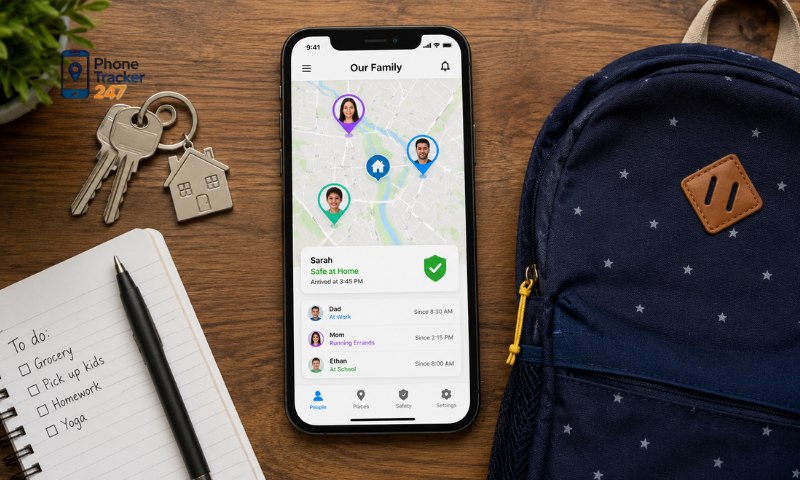
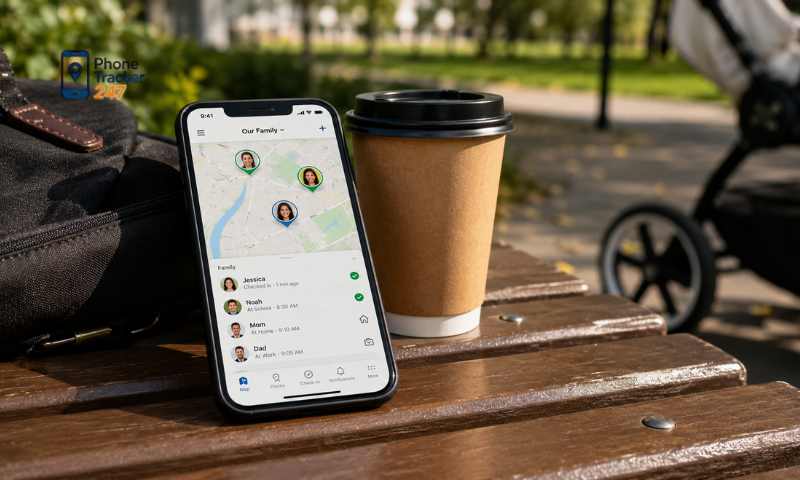
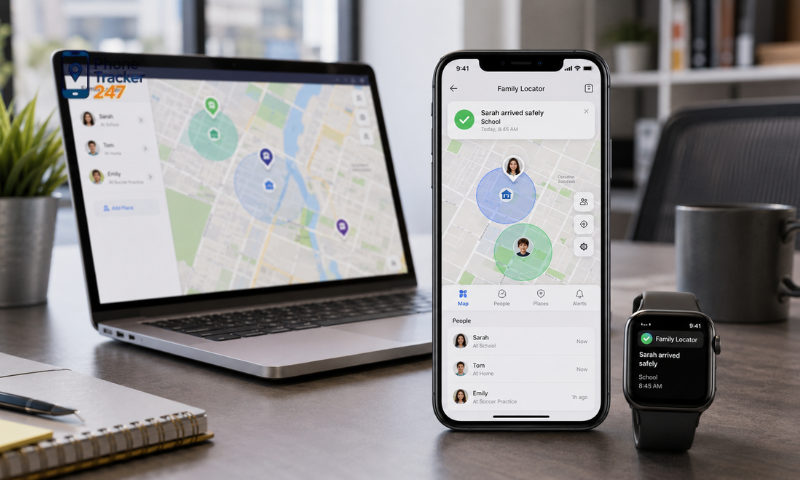
Geofencing lets parents create virtual boundaries around familiar and important places. When a child enters or leaves these areas, the app can send an automatic notification.
Common safe zones include:
- Home.
- School.
- Sports centers.
- Grandparents’ house.
- Friends’ homes.
This feature saves time and helps parents stay updated throughout the day without constantly checking the app.
SOS Emergency Alerts
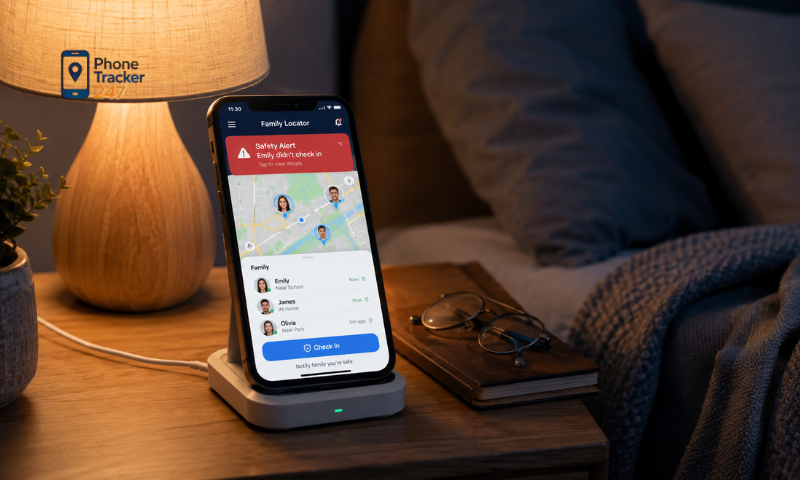
Emergency support is an essential feature for unexpected situations. A high-quality Family Locator App should make it easy for family members to ask for help quickly.
Important SOS features include:
- One-touch SOS button.
- Emergency location sharing.
- Instant alerts to trusted contacts.
- Quick access to emergency assistance.
These tools can help families respond faster when immediate support is needed.
Device Battery Monitoring
Location sharing may stop working if a phone runs out of battery. That is why battery monitoring is a useful feature for family safety.
With this feature, parents can:
- View each family member’s battery level.
- Receive low-battery alerts.
- Remind children to charge their devices in time.
Battery monitoring helps maintain communication and reduces the risk of children becoming unreachable.
Privacy and Data Security
Because location data is highly sensitive, privacy protection should always be a top priority when choosing a Family Locator App.
Families should look for apps that offer:
- End-to-end data encryption.
- Secure account authentication.
- Permission-based location sharing.
- Clear privacy policies.
- Full control over who can access family locations.
The best Family Locator App protects both safety and privacy, giving families confidence that their personal information is handled securely.
See more: App to Track Phone Location: Setup Guide for Families
How to Choose the Right Family Locator App for Your Family
Choosing the right Family Locator App requires more than checking basic tracking features. A good app should be accurate, easy to use, secure, and suitable for the daily habits of every family member.
Before making a decision, families should consider:
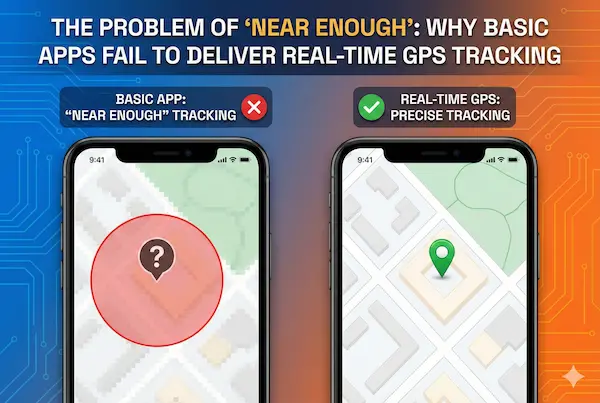
- GPS accuracy: The app should provide reliable and updated location information.
- Ease of use: Both parents and children should be able to use the app without confusion.
- Device compatibility: Make sure the app works well on both Android and iOS devices.
- Battery efficiency: The app should not drain the phone battery too quickly.
- Privacy and security: Choose an app with strong data protection and clear privacy policies.
- Emergency features: SOS alerts and emergency location sharing can be very helpful in urgent situations.
- Customer support: Good support helps solve technical issues faster.
- Pricing and plans: Compare subscription options to choose a plan that fits your family’s needs.
It is also helpful to read user reviews and test the app during a free trial if available. This allows families to check the interface, notification speed, location accuracy, and overall performance before paying for a subscription.
Tips for Using a Family Locator App Responsibly
Using a Family Locator App can make family life safer and more organized, but it should be used with trust and transparency. The goal is not to monitor every movement, but to support safety, communication, and peace of mind.
To use a Family Locator App responsibly, families should:
- Talk openly with children: Explain why location sharing is being used and how it helps keep everyone safe.
- Focus on safety, not surveillance: Make it clear that the app is designed for protection, not constant control.
- Use notifications wisely: Enable alerts only for important places or situations to avoid unnecessary monitoring.
- Review privacy settings regularly: Check who can see location data and adjust permissions when needed.
- Keep the app updated: Updates often include better security, performance, and privacy features.
- Respect older children’s privacy: Set clear family rules so teenagers feel trusted while still staying safe.
When used responsibly, a Family Locator App can strengthen trust, improve family communication, and help everyone feel more secure in daily life.
Conclusion
Choosing the Best Family Locator App involves much more than finding an app that displays a location on a map. Parents should prioritize features such as real-time GPS tracking, location history, geofencing, SOS alerts, battery monitoring, and strong privacy protection. Together, these capabilities create a safer environment while helping families stay connected throughout the day.
If you’re looking for a reliable family safety solution, Phonetrack247 offers a comprehensive set of features designed specifically for modern families. With real-time location sharing, customizable Safe Zones, instant alerts, activity insights, and a strong commitment to user privacy, Phonetrack247 helps parents protect their loved ones while encouraging healthy digital habits. Whether your children are at school, traveling, or spending time with friends, Phonetrack247 gives you the confidence to stay connected—anytime and anywhere.
Frequently Asked Questions (FAQs)
1. What is the best family locator app?
An app with live GPS, location history, and safety alerts.
2. Can I track my family in real time?
Yes. Most family locator apps provide live GPS tracking.
3. Does it show location history?
Yes. Many apps save recent location history.
4. Can I create safe zones?
Yes. Geofencing sends arrival and departure alerts.
5. Does it work on Android and iPhone?
Yes. Most family locator apps support both platforms.
6. Can I track multiple family members?
Yes. One account can manage multiple users.
7. Is the app free?
Many apps offer free plans with premium upgrades.
8. Is location sharing private?
Yes. Only invited family members can access shared locations.
9. Does it require internet?
Yes. GPS and an internet connection are required.
10. Why use a family locator app?
To improve family safety and stay connected.