Navigating the difference between these two categories is essential for modern digital parenting. While they often appear in the same search results, their core architectures are built to solve entirely different problems.
Choosing the right tool depends on whether your primary concern is where your child is located physically or what they are doing while staring at a screen. In 2026, the family safety app vs parental control app distinction has become even sharper as technology specializes further into either physical security or digital habit-building.
Overview of the family safety app vs parental control app
Let’s have a look into the whole picture of what makes the family safety app and parental control app different.
What Defines a Family Safety App in 2026?
A family safety app is your digital tether for the physical world, focusing on movement, travel, and real-time location. These apps are designed to give you peace of mind when your loved ones are commuting, driving, or exploring the neighborhood.
- Physical Protection: These tools prioritize GPS accuracy, driving safety reports, and crash detection to ensure everyone arrives safely.
- Emergency Response: With one-tap SOS features, they can immediately alert family members and emergency services to a precise physical location.
The Core of Parental Control Apps
Parental control apps are the gatekeepers of the digital realm, focusing on content, screen time, and app usage. Their goal is to foster healthy digital habits and protect children from the darker corners of the internet.
- Digital Boundaries: They allow you to set strict schedules, block inappropriate websites, and manage which apps are allowed at different times of the day.
- Content Filtering: Advanced AI filters scan for “danger words” and inappropriate imagery, shielding children from explicit content or cyberbullying.

Key Differences: Family Safety App vs Parental Control App
To truly grasp the family safety app vs parental control app comparison, we need to look at how they perform in high-stakes scenarios. One acts as a bodyguard in the streets, while the other acts as a librarian for the internet.
Real-Time Location Tracking vs Digital Activity Monitoring
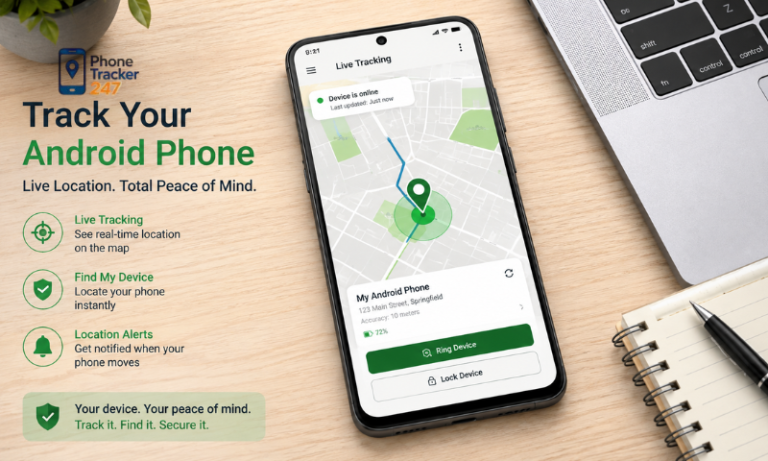
In 2026, location tracking has become incredibly precise, but it serves a different purpose in each app type. Family safety apps treat GPS as the hero feature, offering live streaming of a child’s route and battery life status. This is about physical presence and logistical safety.
Parental control apps, conversely, view location as a secondary benefit. They might show you where your child is, but their real power lies in showing you which YouTube videos they watched or how long they spent on a gaming app during school hours. It is less about where they are and more about what they are doing.
Safety Alerts vs Content Filters
- Emergency SOS: Family safety apps often include a panic button that sends a 90-second location update to the entire family circle during a crisis.
- Automated Blocking: Parental control apps focus on preventative alerts, notifying you if your child tries to access a restricted site or searches for a harmful topic.
When to Choose a Family Safety App
The debate of family safety app vs parental control app often shifts as your child grows and gains more physical independence. If your child has started walking home alone or just received their driver’s license, the features of a family safety app become indispensable.
Protecting the Independent Commuter
As kids start navigating the world without a parent by their side, the physical world presents new risks that an internet filter cannot solve. Family safety apps provide a safety net that lets them explore while keeping you informed of their whereabouts. This builds a sense of freedom for the child and relief for the parent.
Monitoring Teen Drivers
- Speed Alerts: You can receive instant notifications if your teen exceeds a certain speed limit or uses their phone while the car is in motion.
- Crash Detection: Modern 2026 sensors can detect a collision and automatically notify emergency contacts with the exact GPS coordinates.
Why Parental Control Apps Are Essential for Younger Kids
For parents of children under 13, the family safety app vs parental control app choice almost always leans toward the latter. At this developmental stage, the primary threats are found within the device rather than on the street corner.
Curbing Screen Addiction
Younger children often lack the self-regulation required to navigate a limitless digital world. Parental control apps provide the training wheels by enforcing bedtimes and preventing excessive gaming. This prevents the zombie effect where kids lose track of time in endless scrolling.
Filtering the Inappropriate
- AI-Powered Scanning: These apps use real-time AI to block explicit images and videos before they even render on the child’s screen.
- Social Media Guards: They monitor chats across dozens of platforms, flagging signs of grooming or toxic behavior without requiring you to read every message.

The Hybrid Solution: Can One App Do It All?
In 2026, we are seeing a trend toward consolidation, where the family safety app vs parental control app lines begin to blur into all-in-one platforms. These hybrids offer a unified dashboard, which is great for parents who are already managing too many subscriptions.
While convenience is a major draw, these hybrid apps might not offer the same level of military-grade crash detection or granular app-specific filtering. If your needs are highly specific, like having a child with a severe gaming addiction or a teen who drives a long commute, you may still find yourself using two dedicated tools to get the job done right.
The Top 3 Monitoring Powerhouses of 2026: A Deep Dive
When it comes to the family safety app vs parental control app landscape, three names have dominated the 2026 market by offering specialized excellence. These tools have been battle-tested by millions of families and represent the current peak of the industry.
1. PhoneTracker247: The “Invisible” Intelligence Specialist
PhoneTracker247 has become the gold standard for parents who need a high-detail dashboard without the complexity of traditional setups. It sits firmly in the digital monitoring camp but provides robust location features as well.
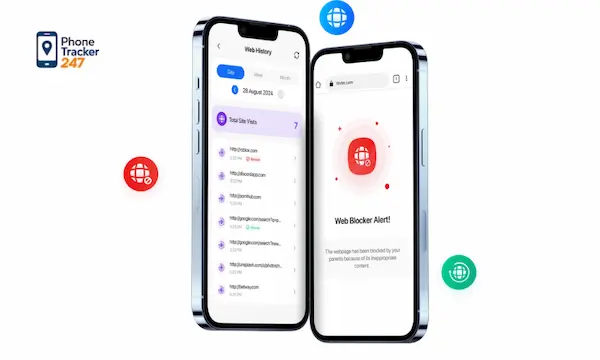
- Remote Web Management: Its “One-Click History Blocking” allows you to view a live feed of web activity and ban any URL instantly from your own device.
- Stealth and Detail: This tool is perfect for identifying hidden digital lives, capturing messages across encrypted apps even if the user attempts to delete them.
2. Life360: The Physical World Champion
If your family is constantly on the move, Life360 remains the undisputed leader in the family safety app vs parental control app physical safety category. Its focus is entirely on the Circle and the safety of its members.
- Roadside Assistance: Beyond just tracking, it offers 24/7 roadside assistance and towing for family members, making it a favorite for parents of new drivers.
- Geofence Precision: It allows for highly customizable safe zones, alerting you the exact moment your child arrives at school, work, or a friend’s house.
3. Qustodio: The King of Digital Wellness
Qustodio is the ultimate choice for parents who want to manage Digital Wellness and eliminate screen-time battles. It is the perfect example of a high-end parental control app.
- Cross-Platform Limits: You can set a time quota that follows the child across their phone, tablet, and PC, preventing them from hopping devices to bypass limits.
- Panic Button Integration: While primarily a digital tool, it includes a panic button that updates the child’s location every 90 seconds during an emergency.
Privacy and Ethics in 2026
The family safety app vs parental control app conversation cannot happen without discussing the ethics of surveillance. In 2026, new privacy laws and a cultural shift toward consent-based monitoring have changed how these apps are used. It is no longer about spying; it is about a digital contract between you and your child.
Building trust is just as important as installing the software. Today’s kids are tech-savvy; if you track them without a conversation, they will find a way to circumvent the system, creating a divide in the family. Honest communication is your most powerful security feature.
Transparency is the Best Policy
Monitoring should always be framed as a safety measure rather than a lack of trust. Explaining the why behind the tracking helps children understand that the app is a tool for their protection, not a spy in their pocket. This approach often leads to better compliance and less resentment.
Legal Compliance in the Modern Age
- Data Minimization: 2026 regulations require apps to collect only what is necessary, ensuring your family’s sensitive data is not being sold to third parties.
- Age-Appropriate Design: Laws now mandate that monitoring features must adjust as a child grows, slowly granting them more privacy as they reach late adolescence.

Common Myths: Family Safety App vs Parental Control App
There are several misconceptions that can lead parents to make the wrong choice. One common myth is that an iPhone’s built-in Screen Time is a full replacement for a dedicated parental control app. In reality, built-in tools are often easy to bypass with a simple factory reset or by changing the device’s clock.
Another myth is that tracking your child’s location will stop them from getting into trouble. GPS only tells you where they are, not who they are with or what they are doing. This is why the family safety app vs parental control app duo works best when used in tandem; one provides the location, and the other provides the context.
Final Verdict: Family Safety App vs Parental Control App
Ultimately, choosing between a family safety app vs parental control app is not about finding the best app. It is about finding the right one for your child’s current life stage.
If your primary anxiety stems from the physical world, commuting, driving, or nighttime safety, then a family safety app is your winner. If your stress is fueled by screen addiction, explicit content, or cyberbullying, then a parental control app is the essential tool for your home. By 2026, many families find that a strategic combination of both provides the most complete security.
FAQs – Family Safety App vs Parental Control App
1. What is a family safety app?
It helps families share location, alerts, and safety check-ins.
2. What is a parental control app?
It helps parents manage screen time, apps, content, and activity.
3. What is the main difference?
Family safety focuses on location; parental control focuses on device rules.
4. Which app is better for location tracking?
A family safety app is usually better.
5. Which app is better for online safety?
A parental control app is usually better.
6. Can both apps track location?
Yes, but features may vary by app.
7. Can parental control apps block websites?
Yes, many support web filtering and app limits.
8. Do families need both apps?
Sometimes, if they need both location and digital safety.
9. Is consent important?
Yes, monitoring should be legal, open, and responsible.
10. What should parents choose first?
Choose based on your main need: location safety or device control.