As relationships become increasingly digital, many couples are turning to technology to better understand, organize, and strengthen their connection. This shift has made the term relationship tracker more popular than ever, especially among people searching for apps that help track milestones, improve communication, or support long-distance relationships. In this article, we’ll explore what relationship trackers are, why they’re trending, and which types are most popular right now.
What Is a Relationship Tracker?
A relationship tracker is commonly understood as an app or digital tool that helps couples monitor, organize, or reflect on different aspects of their relationship, rather than a tool designed for secret surveillance.
Today’s couple tracking apps focus on transparency, shared experiences, and emotional awareness. Most are built around mutual participation, where both partners actively use the app to track milestones, routines, or relationship goals together.
Definition of a Relationship Tracker
In modern usage, a relationship tracker typically refers to a couples-focused app that tracks relationship timelines, anniversaries, shared activities, or emotional check-ins. Some apps also include optional features like shared calendars or location sharing, provided both users agree.
Unlike traditional phone monitoring tools, a couple tracking app is usually marketed as a relationship-enhancement solution rather than a control mechanism, which aligns with how users currently search for and evaluate these tools.
Types of Couple Tracking Apps Trending Today
Based on current app store trends and user behavior, couple tracking apps generally fall into three popular categories:
-
- Milestone and anniversary tracking apps
-
- Couple journaling and emotional tracking apps
-
- Relationship-focused apps with optional location sharing
These categories reflect what users are actually looking for when they search for “relationship tracker” today.

Table 1: Relationship Tracker Apps: What to choose based on your couple goal (2026)
| Your main goal | The “tracker” features that actually help | Optional nice-to-haves | What to avoid | Best-fit app types |
|---|---|---|---|---|
| Coordinate daily life | Shared calendar, shared to-do lists, recurring routines, reminders | Smart scheduling suggestions, shared notes, shared grocery lists | “Always on” monitoring features you did not agree to | Couples planners, shared productivity apps |
| Feel safer during commutes | Opt-in location sharing, ETA view, arrival alerts, time-limited sharing | SOS button, safety check-ins, geofence for kids (if relevant) | Any setup that hides tracking or makes it hard to pause | Safety and family location apps, OS location sharing |
| Communicate better | Daily check-ins, guided prompts, mood notes, conflict de-escalation tools | Private journaling, gratitude logs, weekly recap | “Scorecards” that rank partners or encourage blame | Couples communication and therapy-style apps |
| Manage money as a team | Shared expense log, bill reminders, balances, categories | Shared budgets, exportable reports, receipt scan | Public leaderboards, pressure tactics, shaming alerts | Split expense apps, budgeting apps with shared spaces |
| Build memories together | Private couple space, albums, milestones, relationship timeline | Printed recap, anniversary reminders, shared playlists | Upload defaults that share publicly or auto-sync widely | Private couple journals, couple chat apps |
| Reduce arguments about chores | Shared chores, rotation rules, due dates, “done” confirmations | Fairness view (non-judgmental), flexible points | Rigid scoring systems that turn life into a competition | Chore and household management apps |
Why Relationship Tracker Apps Are Trending Right Now
The growing popularity of relationship tracker apps is closely tied to changes in how people communicate and maintain relationships in a digital-first world.
Changing Relationship Dynamics in the Digital Age
Modern relationships often involve long working hours, remote communication, or long-distance arrangements. These conditions increase the need for structure and reassurance, which is why many couples look for a relationship tracker to help them stay connected and aligned.
Instead of replacing communication, these tools aim to support it by organizing shared moments and highlighting patterns that might otherwise go unnoticed.
Emotional Awareness and Mental Load Reduction
Another reason relationship trackers are trending is emotional management. Remembering anniversaries, planning quality time, and checking in emotionally can feel overwhelming, especially in busy lifestyles.
A well-designed couple tracking app reduces this mental load by turning relationship care into small, manageable habits rather than stressful obligations.

Most Popular Types of Relationship Tracker Apps Today
Rather than focusing on specific brand names, understanding the types of relationship trackers that are currently popular provides better long-term SEO value and relevance.
Milestone & Anniversary Relationship Trackers
These apps are among the most widely used relationship tracking tools today. Their main function is to help couples track important dates such as anniversaries, first meetings, or meaningful moments.
They often include visual timelines, reminders, and memory storage features, making them especially appealing to couples who value emotional milestones and shared history.
Couple Journaling & Emotional Tracking Apps
Another fast-growing category of relationship tracker apps focuses on emotional reflection. These tools allow users to log moods, thoughts, or daily reflections related to their relationship.
Over time, this creates a private emotional record that helps couples identify patterns, improve communication, and better understand each other’s emotional needs.

Relationship Tracker Apps with Location Sharing: Why They’re Popular
Location-based features have become increasingly common in relationship trackers, especially among long-distance couples or partners with safety concerns.
How Location Sharing Fits into Relationship Tracking
In most relationship tracker apps, location sharing is optional and transparent. Both partners choose when and how to share their location, often for practical reasons like coordinating meetups or ensuring safe arrivals.
When used consensually, this feature is viewed as a convenience rather than a form of monitoring, which explains its growing acceptance.
When Location-Based Relationship Tracking Makes Sense
Location sharing within a relationship tracker is most popular in scenarios such as long-distance relationships, travel periods, or busy family schedules. In these cases, the feature supports coordination and reassurance rather than control.
However, healthy boundaries and clear communication remain essential for this feature to be beneficial.
Key Features Users Look for in a Relationship Tracker
Search behavior shows that users comparing relationship tracker apps prioritize usability and trust over advanced technical features.
Ease of Use and Shared Access
A successful relationship tracker must be easy to use for both partners. Complicated interfaces or unclear data often discourage long-term use and reduce perceived value.
Shared access is also critical, as most users prefer tools that feel collaborative rather than one-sided.
Privacy, Consent, and Data Security
Privacy is one of the most important considerations when choosing a couple tracking app. Users actively search for apps that clearly explain how data is stored, shared, and protected.
Consent-based design is now a major differentiator, especially as awareness of digital privacy continues to grow globally.
Top 3 Relationship Tracker Apps People Are Using Today
As interest in relationship tracker apps continues to grow, users are no longer searching for vague concepts. They want to know which apps are actually being used, what problems they solve, and how they differ from each other. Below are three relationship monitoring apps frequently mentioned across reviews, forums, and app store discussions, each serving a slightly different purpose.
Phone Tracker 247 – Relationship Tracking with Transparency
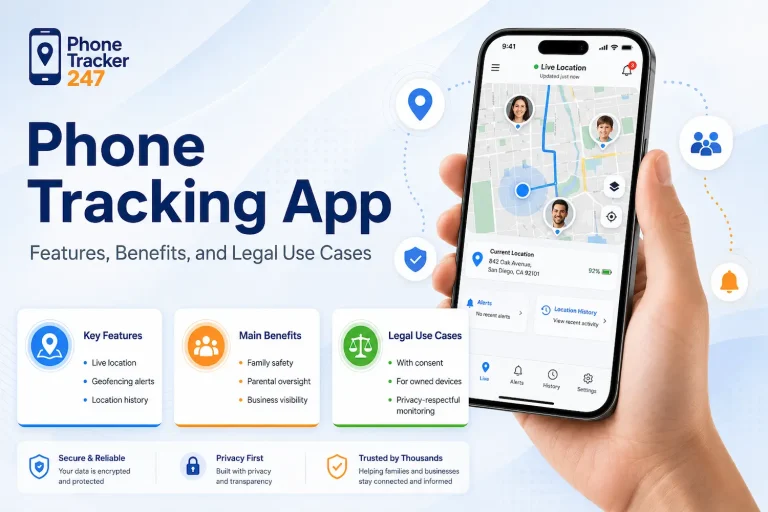
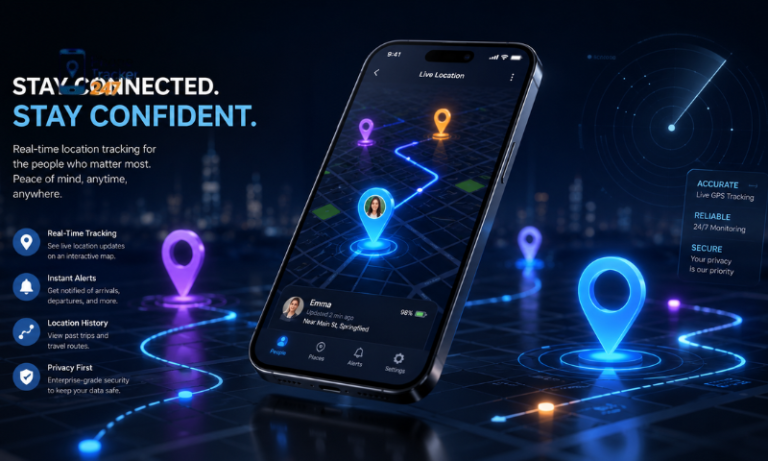
Phone Tracker 247 is often discussed in the context of relationship tracking when couples want clarity, coordination, and reassurance rather than guesswork. While originally designed as a phone tracking solution, it is increasingly used by couples who mutually agree to share location and activity data.
What sets Phone Tracker 247 apart is its emphasis on real-time location tracking combined with consent-based use. For couples in long-distance relationships or those managing busy schedules, this type of relationship tracker supports trust through visibility, not assumptions.
Common use cases include:
-
- Confirming safe arrivals during travel
-
- Coordinating daily routines
-
- Reducing anxiety caused by lack of communication
When both partners are aligned on expectations, Phone Tracker 247 functions as a practical relationship tracker rather than a control tool.
Couple-Focused Relationship Tracking Apps (Journals & Milestones)
Another popular category includes apps designed specifically for couples to track anniversaries, shared memories, and emotional check-ins. These relationship tracker apps usually avoid technical monitoring features and instead focus on emotional connection.
They appeal strongly to couples who value reflection and communication. By logging moods, writing shared journals, or receiving reminders for important dates, users feel more intentional about maintaining their relationship.
These apps are commonly chosen by:
-
- New couples building shared habits
-
- Long-term partners wanting to reconnect
-
- Couples who prefer emotional tracking over technical data

Relationship Tracker Apps with Shared Calendars & Location Features
Some relationship tracker apps combine emotional tools with practical coordination features such as shared calendars, event planning, or optional location sharing. These hybrid apps are trending among couples balancing work, family, and personal time.
The appeal lies in convenience. Instead of switching between multiple apps, couples use a single relationship monitoring app to manage schedules, plan quality time, and stay informed about each other’s availability.
This type of couple tracking app works best when both partners actively participate and use the app as a shared planning space rather than a passive tracking tool.
Table 2: Couples App Trends 2026: What is rising and how to respond
| Trend you will see in 2026 | What it looks like inside apps | Why couples like it | Hidden downside | Smart boundary to set |
|---|---|---|---|---|
| “Consent controls” become a selling point | Permission screens, pause buttons, visibility toggles | Clearer choices, fewer surprises | Controls can be confusing or buried | Do a 2-minute settings review together monthly |
| Tracking shifts from “where are you” to “how are we doing” | Check-ins, weekly reflections, relationship goals | Encourages conversations and habits | Can feel like performance reviews | Keep it lightweight: 1 to 2 check-ins per week |
| More automation and “smart nudges” | Auto reminders, suggested date ideas, AI summaries | Saves time, reduces mental load | Too many nudges can feel naggy | Turn off non-essential notifications by default |
| “Safety sharing” expands | Temporary location, ETA, trip mode, late-night alerts | Practical and reassuring | Can become expectation-based surveillance | Use time-limited sharing, not 24/7 sharing |
| Private spaces get stronger security | App lock, hidden albums, selective sharing | Better privacy and trust | False sense of security if devices are unlocked | Use device lock + app lock + shared rules |
| Couples apps blend with money and home tools | Bills, chores, calendars in one place | One hub, fewer apps | Data sprawl across categories | Keep the hub minimal, export and delete regularly |
See more:
Relationship Tracker vs Traditional Communication Tools
Despite their popularity, relationship trackers are not replacements for messaging apps or face-to-face communication.
How Relationship Trackers Complement Communication
A relationship tracker works best as a supportive layer rather than a primary communication channel. It helps organize shared goals, highlight patterns, and encourage regular check-ins without replacing conversations.
Many couples use relationship monitoring apps alongside messaging apps to add structure and intention to their interactions.
Limitations of Relationship Tracking Apps
No relationship tracker can interpret emotions or resolve conflicts on its own. Misuse or overreliance may even increase misunderstandings if expectations are unclear.
This is why most experts emphasize using these tools as optional aids, not relationship solutions.

Choosing the Right Relationship Tracker for Your Needs
Selecting the right relationship tracker depends largely on what a couple wants to improve or manage.
Some users prefer simple milestone tracking, while others look for emotional insights or coordination features. In certain cases, users already familiar with phone-based tracking solutions may explore more advanced tools, but these should always be used ethically and with full transparency.
The best couple tracking app is one that aligns with mutual goals, respects privacy, and supports open communication rather than replacing it.
FAQs – Relationship Tracker App
1. What is a relationship tracker app?
A couples tool for shared plans, check-ins, routines, or memories, used openly by both people.
2. Are relationship tracker apps the same as spy apps?
No. Couples apps are transparent and consent-based; spy apps are hidden and harmful.
3. Do couples need location sharing?
Only if it helps with safety or logistics. Use time-limited sharing instead of 24/7.
4. How do we avoid fights using a tracker app?
Agree on boundaries: what to track, how often, and when anyone can pause.
5. What features matter most in 2026?
Strong privacy controls, easy pause, shared calendar/tasks, and simple check-ins.
6. How do we pick the right app fast?
Start with one goal and test one app for 2 weeks before adding more.
7. What privacy settings should we check first?
Visibility, pause/revoke, data deletion/export, and notification controls.
8. Can these apps help long-distance couples?
Yes. Short daily prompts and weekly check-ins work best.
9. Are relationship tracker apps secure?
They are as secure as your phone: use device lock, 2FA, and keep sensitive notes minimal.
10. What is the biggest red flag?
When tracking is demanded, not agreed. If trust drops, stop and reset boundaries.
Final Thoughts: Are Relationship Trackers Worth Using?
The rise of the relationship tracker reflects a broader trend toward intentional, tech-supported relationships. When used thoughtfully, these tools can help couples stay organized, emotionally connected, and aligned with shared goals.
Ultimately, a relationship monitoring app is not about control or surveillance. It is about awareness, communication, and shared responsibility. Couples who approach these tools with trust and consent are far more likely to benefit from what relationship tracking technology has to offer.
Quick Summary Table
| What couples want in 2026 | Best “relationship tracker” approach | Keep it healthy | Avoid this |
|---|---|---|---|
| Less miscommunication | Weekly check-in + shared notes | 10 minutes, same day each week | Turning check-ins into interrogations |
| Easier planning | Shared calendar + shared to-do list | One shared list, clear owners | Spamming reminders and blame |
| Safety and smoother meetups | Time-limited location sharing + ETA | Pause anytime, no questions asked | 24/7 location demands |
| Fair money management | Shared expenses + simple budget rule | Monthly review, keep it calm | Using money logs to “win” arguments |
| More quality time | Date ideas list + recurring date night | Protect 1 night/week | Tracking every minute together |
| Stronger trust | Consent-first settings + transparency | Review permissions monthly | Hidden tracking or secret installs |