In the fast-paced digital landscape of 2026, staying connected with our loved ones has evolved from a luxury into a fundamental safety requirement. Whether you are a parent ensuring your teenager arrived at soccer practice or a caregiver looking after an elderly relative, understanding the mechanics of modern safety technology is essential. Many people find themselves asking, how do family locator apps work, especially as new features like 5G precision and AI-driven alerts become the industry standard. This comprehensive guide pulls back the curtain on the technology, privacy protocols, and top-tier apps currently defining the market.
Contents
- 1 The Core Technology: How Your Phone Finds Itself
- 2 How the Data Reaches Your Screen: The Cloud Connection
- 3 Essential Features: Moving Beyond a Dot on a Map
- 4 Privacy and Ethics: The Need-to-Know for 2026
- 5 Choosing the Right App: Platform Differences
- 6 The 2026 Outlook: AI and Predictive Safety
- 7 Conclusion: Peace of Mind in a Connected World
The Core Technology: How Your Phone Finds Itself
Modern location-sharing relies on a sophisticated “Hybrid Positioning System” that blends various signals to pinpoint a device’s exact coordinates.
While satellites provide the foundation for most tracking, the integration of multiple data streams ensures that your family stays visible even in dense urban jungles or deep inside buildings. To understand how do family locator apps work, one must look at the three pillars of positioning: GPS, Wi-Fi, and Cellular data.
GPS (Global Positioning System): The Gold Standard
- Satellite Triangulation: Every smartphone contains a GPS receiver that listens for signals from a network of over 30 satellites orbiting the Earth. By calculating the exact time it takes for a signal to arrive from at least four different satellites, the app determines your precise latitude and longitude.
- 2026 Advancements: Modern GPS chips now utilize “Dual-Band” technology, which significantly reduces errors caused by signal bouncing off skyscrapers. This allows for much faster “locks” on location, ensuring that the dot on your map moves smoothly without jumping blocks.
Wi-Fi and Bluetooth Positioning: Indoor Accuracy
- The Power of Proximity: When GPS signals are blocked by roofs or heavy foliage, apps pivot to scanning nearby Wi-Fi routers and Bluetooth beacons. Since the locations of most public routers are indexed in massive global databases, your phone can estimate its position based on the strength of these local signals.
- Low-Energy Scanning: Bluetooth “Safety Beacons” are now commonly placed in malls and airports to assist with indoor navigation. Family locator apps leverage this “micro-location” data to tell you not just that your child is at the mall, but specifically which floor or store they are currently visiting.
How the Data Reaches Your Screen: The Cloud Connection
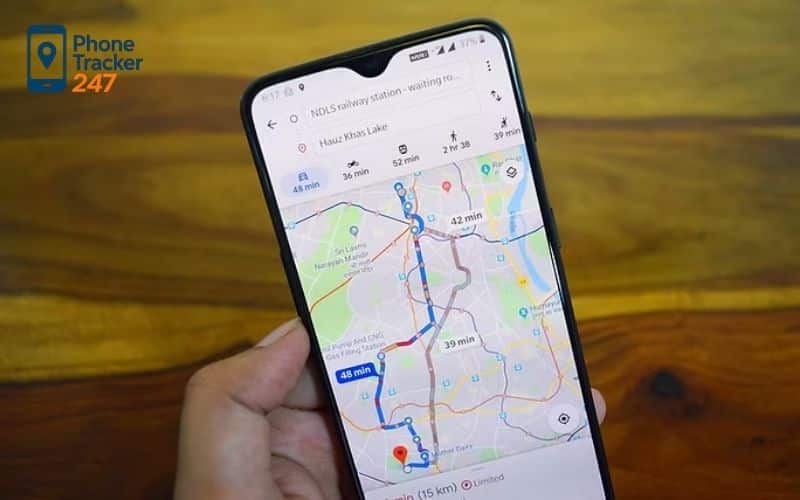
A common question regarding how do family locator apps work involves more than just satellites; it requires a robust cloud infrastructure to transmit that data to your device.
Once a phone identifies its own location, it must encrypt and upload that data to a secure server, which then pushes a notification to the rest of the “Circle” or family group. Whether you use a family locator app for android or an iOS equivalent, the server-side processing remains the backbone of the experience.
Real-Time Telemetry and Data Refresh Rates
- Active vs. Passive Tracking: Leading apps use different refresh intervals depending on the user’s activity level. For instance, if the app detects a user is driving, it may update the location every 2–3 seconds, whereas a stationary device might only “check-in” every few minutes to save power.
- Low-Latency Sync: By 2026, the widespread adoption of 5G has virtually eliminated the “lag” that used to plague tracking apps. Users now experience near-instantaneous updates, allowing for a “Live View” that mimics watching a vehicle on a GPS navigation screen.
Battery Optimization: The Silent Efficiency
- Intelligent Sensor Fusion: To prevent the dreaded “battery drain,” modern apps use the phone’s accelerometer and gyroscope to determine if the device is moving. If the phone is sitting on a nightstand, the app “sleeps” the GPS receiver and only wakes it up once physical movement is detected.
- Smart Backgrounding: Sophisticated algorithms now manage background data refresh cycles based on your remaining battery percentage. If your child’s phone hits 10% battery, the app may automatically switch to a “Power Save” mode that updates less frequently.
Essential Features: Moving Beyond a Dot on a Map
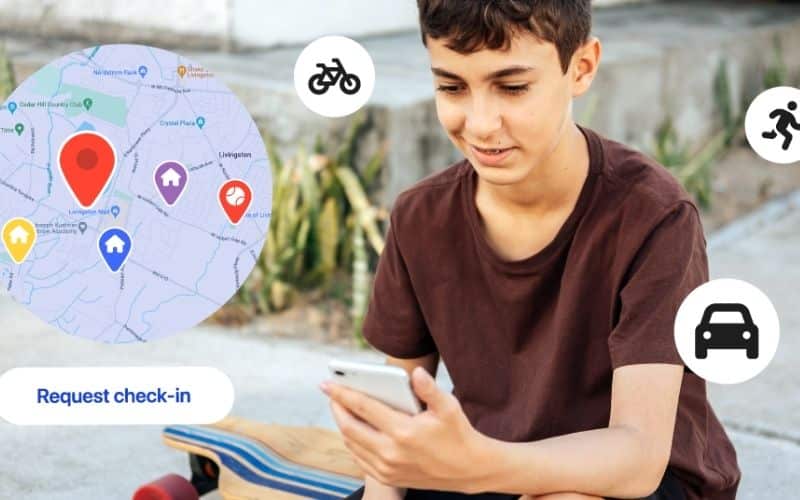
The best apps in the industry have moved beyond simple tracking to offer a suite of proactive safety tools.
When you look into how do family locator apps work in a practical sense, you will find that features like geofencing and SOS alerts provide more value than a live map ever could. Finding the top family locator app often comes down to which one offers the most intuitive alert system for your specific lifestyle.
Geofencing: Creating Digital Boundaries
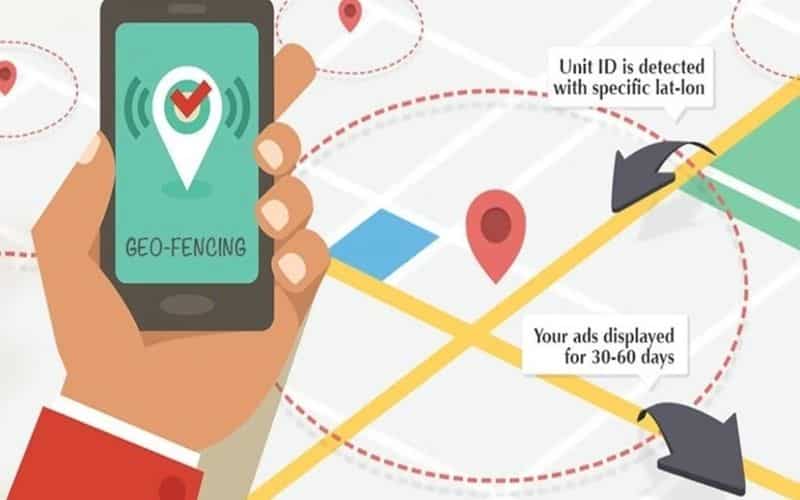
- Instant Notifications: Geofencing allows users to draw “Safe Zones” around specific locations like home, school, or a workplace. When a family member crosses the virtual perimeter of these zones, the app sends an automatic push notification to everyone else in the group.
- Dynamic Arrival Times: Many 2026 apps have integrated traffic data into their geofencing tools. This means you won’t just get an alert that your partner left work; you’ll also receive an estimated time of arrival (ETA) based on current road conditions.
Panic Buttons and SOS Alerts
- Emergency Broadcasting: In a crisis, a user can trigger an SOS alert that overrides “Do Not Disturb” settings on other family members’ phones. This broadcast often includes a 30-second audio clip of the surroundings and a direct link to the user’s live location for emergency services.
- Silent Discretion: Some apps now feature “Silent SOS” modes where a user can trigger an alert by tapping the power button a specific number of times inside their pocket. This is particularly useful for situations where a visible cry for help might escalate a dangerous encounter.
Privacy and Ethics: The Need-to-Know for 2026
As tracking technology becomes more pervasive, the industry has shifted toward a “Consent-First” model to protect individual rights.
If you are researching how do family locator apps work, you must distinguish between legitimate safety tools and invasive spyware that operates without a user’s knowledge. Modern ethics dictate that location sharing should be a collaborative family decision rather than a clandestine operation.
Consent-Based Tracking vs. Spyware
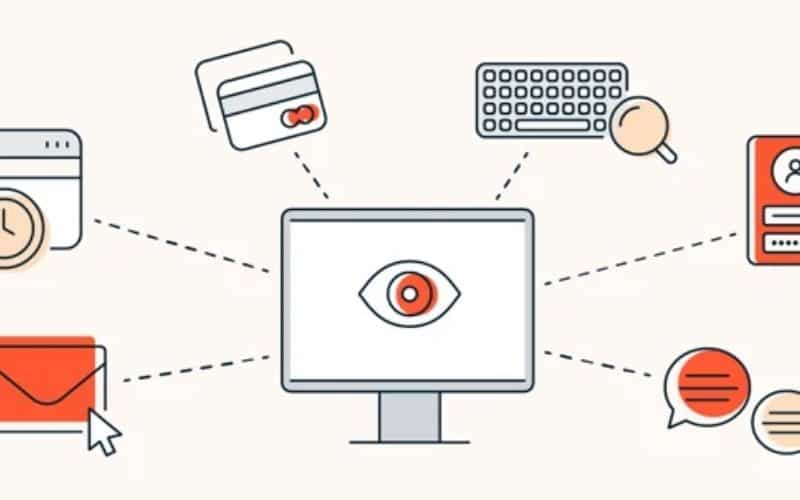
- Transparent Monitoring: Legitimate family locator apps require all users to opt-in and provide explicit permission before sharing begins. These apps frequently send “Ongoing Notification” reminders to ensure that every person in the circle knows they are currently being located by their family.
- Legal Compliance: In 2026, global privacy laws have made it illegal to track an adult’s location without their verifiable consent. Modern apps are designed with these guardrails in place, often disabling features if a user has not re-confirmed their sharing preferences recently.
Data Encryption and Security Standards
- End-to-End Encryption (E2EE): To ensure that hackers or even the app developers cannot see your family’s movements, top-tier apps now utilize E2EE. This means the location data is encrypted on the sender’s phone and can only be decrypted by the authorized devices within that specific family circle.
- Automatic Data Deletion: Privacy-conscious apps now offer “Self-Destructing” location history. Instead of storing years of movement data, these apps allow you to set a policy where all location logs are permanently erased after 30, 60, or 90 days.
Choosing the Right App: Platform Differences
Deciding which tool to use often depends on the hardware your family carries daily.
When asking how do family locator apps work on different operating systems, it’s important to note that Apple and Google have unique system-level permissions. If your household is split between devices, you might specifically need a family locator app for iphone that plays nicely with Android participants.
Cross-Platform Compatibility
- Breaking the Ecosystem Barrier: While native apps like “Find My” are excellent, they often struggle when one family member switches brands. Third-party apps bridge this gap by providing a unified interface that looks and functions identically on both major mobile platforms.
- Unified Subscription Models: Most premium tracking services now allow for a single “Family Plan” that covers up to ten devices regardless of their OS. This makes it much easier for diverse households to maintain a single safety network without paying for multiple platform-specific services.
The 2026 Outlook: AI and Predictive Safety
As we look toward the future of how do family locator apps work, Artificial Intelligence is playing a larger role in predicting potential risks before they happen.
Apps are no longer just reactive; they are becoming proactive tools that can identify deviations from a normal routine. If your child usually arrives home by 4:00 PM and is still several miles away at 4:15 PM without a traffic delay, the app can nudge you to check in. Understanding how do family locator apps work in the AI era means embracing “Predictive Safety” as a standard feature.
Predictive Route Analysis
- Pattern Recognition: By analyzing months of “Location History,” AI can learn your family’s typical routes and schedules. If a family member takes an unusual detour through a high-crime area or stops in an unfamiliar location for an extended period, the app can flag this as an “Anomalous Event.”
- Reduced False Alarms: Older geofencing technology often sent “false positives” if a GPS signal drifted slightly. In 2026, AI filters out these signal jumps, ensuring that you only receive an alert when a family member has genuinely arrived at or departed from a designated place.
Conclusion: Peace of Mind in a Connected World
The question of how do family locator apps work is no longer just about satellites and maps; it is about creating a secure, private, and efficient ecosystem for family communication. By combining GPS, 5G, and AI, these apps provide a safety net that allows for both independence and oversight. As technology continues to advance, the focus will remain on balancing this high-tech visibility with the fundamental human right to privacy.