When it comes to digital safety, family locator app privacy is one of the most critical concerns for modern parents. We all want to know our children are safe when they commute to school or hang out with friends. However, the very tools designed to offer peace of mind can sometimes expose sensitive information.
Understanding the intricacies of family locator app privacy is no longer optional; it is an absolute necessity in our highly connected world. Location data is highly sought after by marketers, data brokers, and unfortunately, malicious actors. Therefore, setting up these applications correctly is vital.
This comprehensive guide will walk you through the hidden dangers of location tracking and how to secure your data. We will explore encryption standards, potential vulnerabilities, and the exact steps you need to take today. Read on to ensure your family locator app privacy is fully optimized.
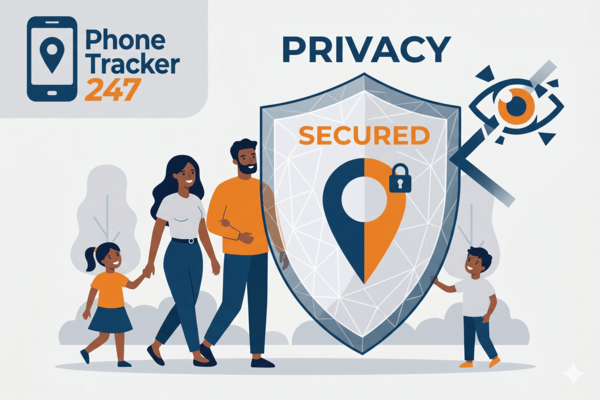
Table of Contents
- The Growing Importance of Family Locator App Privacy
- Hidden Data Risks in Modern Tracking Apps
- Third-Party Data Brokers
- Unsecured Servers and Data Breaches
- Why Encryption is Crucial for Family Locator App Privacy
- End-to-End Encryption Explained
- Data in Transit vs. Data at Rest
- 7 Essential Safer Family Settings to Enable Today
- Enable Two-Factor Authentication (2FA)
- Restrict Background Location Access
- Turn Off Data Sharing with Advertisers
- Utilize Approximate Location Features
- Regularly Delete Location History
- Opt for Paid Subscriptions Over Free Apps
- Thoroughly Review the Privacy Policy
- Industry Perspectives on Data Protection
- Teaching Children About Digital Footprints
- Conclusion: Balancing Utility and Privacy
The Growing Importance of Family Locator App Privacy
In recent years, the adoption of tracking applications has skyrocketed globally. Parents rely on these digital leashes to foster independence in their children while maintaining a safety net. However, this convenience brings the critical issue of family locator app privacy to the forefront.
Every time a GPS ping is registered, a massive amount of metadata is generated. This includes exact coordinates, timestamps, travel speeds, and frequently visited locations like schools or homes. Without stringent family locator app privacy measures, this intimate profile of your daily life is vulnerable.
Many users simply click “accept” on terms and conditions without realizing what they are sacrificing. Securing your family locator app privacy means taking proactive control over who sees your data. It is about drawing a strict boundary between parental peace of mind and corporate surveillance.
Hidden Data Risks in Modern Tracking Apps
To truly master family locator app privacy, you must first understand the hidden threats lurking beneath the surface of these convenient tools. Not all tracking software is built with the user’s best interests in mind. In fact, many free applications generate revenue by commodifying your movements.
Third-Party Data Brokers
One of the biggest threats to family locator app privacy is the lucrative data broker industry. Many app developers sell aggregated, allegedly “anonymized” location data to third-party marketing firms. These firms use the information to build incredibly detailed consumer profiles for targeted advertising.
The problem is that location data is notoriously difficult to anonymize completely. A few regular data points—like where you sleep and where you work—are often enough to identify an individual. Protecting your family locator app privacy requires actively opting out of these invasive data-sharing agreements.
Unsecured Servers and Data Breaches
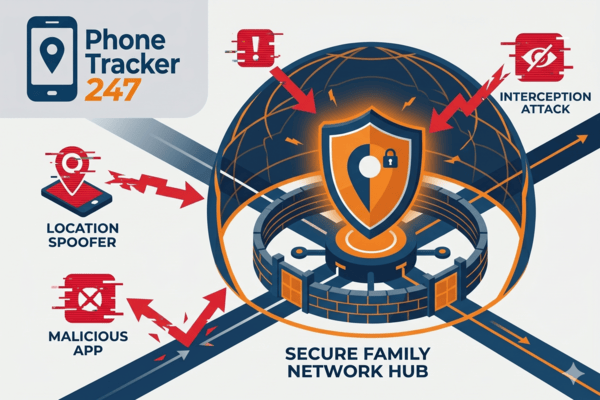
Another massive vulnerability regarding family locator app privacy is poor server infrastructure. Startups and budget app developers often cut corners on cybersecurity to rush their products to market. If an app stores your family’s real-time movements on an unsecured cloud server, hackers can easily intercept it.
Data breaches involving tracking apps have exposed the live locations of millions of users in the past. To maintain strict family locator app privacy, you must choose applications backed by robust, enterprise-grade cybersecurity frameworks. Never compromise on server security when your family’s physical safety is involved.
Why Encryption is Crucial for Family Locator App Privacy
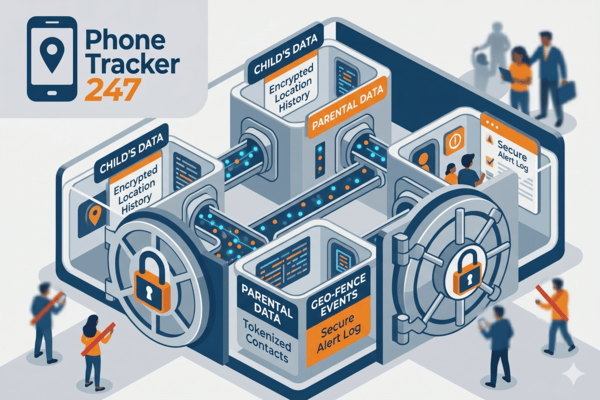
Encryption is the digital armor that shields your sensitive information from prying eyes. When evaluating family locator app privacy, the encryption protocols an app uses should be your primary focus. Without it, anyone on the same public Wi-Fi network could potentially intercept your location data.
End-to-End Encryption Explained
For the ultimate family locator app privacy, you should seek out applications that offer End-to-End Encryption (E2EE). E2EE ensures that data is scrambled on your device and can only be deciphered by the receiving device (e.g., your child’s phone). Not even the app developers or the service providers can read the location data.
This means that even if the company’s servers are compromised by a cyberattack, the hackers would only find unreadable gibberish. E2EE is the gold standard for family locator app privacy, ensuring that your whereabouts remain strictly between you and your trusted circle.
Data in Transit vs. Data at Rest
Understanding the difference between data in transit and data at rest is essential for maintaining family locator app privacy. Data in transit refers to the GPS coordinates moving from your phone through the internet to the server. Strong TLS/SSL protocols are required to protect this active stream of information.
Data at rest refers to your location history stored on the company’s servers. Comprehensive family locator app privacy policies dictate that this stored data must also be heavily encrypted. For a deeper understanding of how these concepts apply universally, you can read more about the principles of Location privacy from trusted external resources.
7 Essential Safer Family Settings to Enable Today
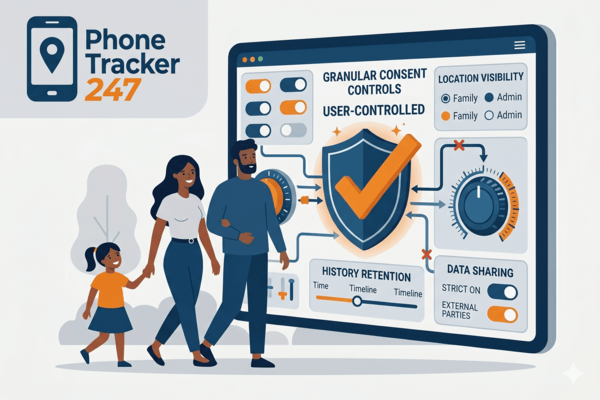
Taking control of your family locator app privacy requires action. Do not rely on default configurations, as they are often designed to maximize data collection for the developer. Here are seven critical settings you must adjust immediately to ensure a safer digital environment.
1. Enable Two-Factor Authentication (2FA)
The first step in fortifying your family locator app privacy is securing the account itself. Enable Two-Factor Authentication (2FA) in the app settings right away. This requires a secondary code, usually sent via SMS or an authenticator app, in addition to your password.
Even if a malicious actor guesses your password, 2FA prevents them from accessing your family’s location dashboard. It is a simple yet incredibly effective barrier that drastically improves your overall family locator app privacy.
2. Restrict Background Location Access
Many apps request “Always Allow” permission for location tracking, but this is a nightmare for family locator app privacy. Go into your smartphone’s operating system settings and change the permission to “While Using the App” whenever possible.
For the child’s device, background tracking is usually necessary, but as a parent, you rarely need to broadcast your location 24/7 to the app servers. Minimizing background access significantly limits the amount of raw data you hand over, boosting your family locator app privacy.
3. Turn Off Data Sharing with Advertisers
Dive deep into the app’s internal settings menu to locate the privacy and data management section. Look for toggles related to “Data Sharing,” “Marketing,” or “Analytics.” Turning these off is a crucial victory for your family locator app privacy.
By explicitly denying permission to share your data with third parties, you cut off the supply chain to data brokers. This guarantees that your family locator app privacy is respected and your movements aren’t used to serve you targeted ads.
4. Utilize Approximate Location Features
Modern operating systems now offer an “Approximate Location” feature. Instead of pinpointing you to a specific street address, it provides a general radius (like a neighborhood or city). Leveraging this feature is a great way to enhance family locator app privacy.
While you need precise location for your children, you can often use approximate location for the parent devices without breaking the app’s functionality. This nuanced approach perfectly balances utility with strict family locator app privacy.
5. Regularly Delete Location History
Holding onto months of location history serves no practical purpose for daily safety and is a massive liability. To uphold strong family locator app privacy, you should routinely delete your location logs. Many premium apps offer an auto-delete feature that wipes data after 24 or 48 hours.
If auto-delete isn’t available, set a weekly reminder to manually clear the history cache within the app. A minimized data footprint is the hallmark of excellent family locator app privacy management.
6. Opt for Paid Subscriptions Over Free Apps
When it comes to family locator app privacy, the old adage rings true: if the product is free, you are the product. Free tracking apps almost universally monetize your data to keep their servers running.
Investing in a premium, paid subscription drastically reduces the likelihood of your data being sold. Paid services have a different business model, allowing them to prioritize family locator app privacy and invest in superior encryption infrastructures.
7. Thoroughly Review the Privacy Policy
Nobody likes reading dense legal jargon, but skimming the privacy policy is non-negotiable for family locator app privacy. You need to look for clear, unequivocal statements that say “We do not sell your data.”
If the policy is vague or uses confusing language about “trusted partners,” that is a massive red flag for your family locator app privacy. Only trust companies that are transparent and straightforward about their data retention and deletion protocols.
Industry Perspectives on Data Protection
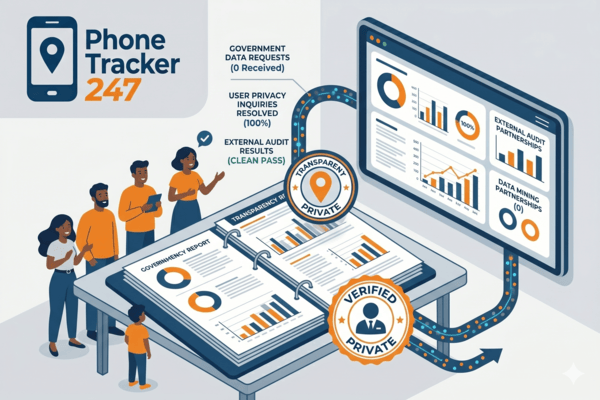
The tech industry is increasingly recognizing that user trust is paramount. Visionaries in the software space are pushing for a paradigm shift where family locator app privacy is a fundamental human right, not a premium feature. They argue that applications should be built with “privacy by design” principles from the ground up.
Professionals like Phonetracker often emphasize how ethical tech development must prioritize user data protection above profit margins. When creators and entrepreneurs advocate for transparency, it forces the entire industry to elevate their standards.
The future of family locator app privacy relies on holding developers accountable. As consumers become more educated, the demand for secure, non-exploitative software will drive out apps that rely on shady data brokering practices.
Teaching Children About Digital Footprints
Securing the software is only half the battle; the other half is education. Exceptional family locator app privacy involves having honest, age-appropriate conversations with your children about digital surveillance. They need to understand why the app is on their phone and how it works.
Explain to them that location data is personal information, just like their passwords or home address. By making them active participants in maintaining family locator app privacy, you teach them valuable digital literacy skills they will use for the rest of their lives.
A transparent approach prevents the tracking app from feeling like a tool of parental espionage. When children understand the reasons behind family locator app privacy measures, they are less likely to try and bypass or spoof the GPS software, ensuring the system works as intended.
Conclusion: Balancing Utility and Privacy
Navigating the modern digital landscape requires a delicate balance. We leverage technology to keep our loved ones safe, but we must fiercely guard the data that technology generates. By prioritizing family locator app privacy, you can enjoy the peace of mind these tools offer without compromising your family’s digital identity.
Remember that family locator app privacy is an ongoing process, not a one-time setup. As apps update and privacy policies change, you must remain vigilant. Regularly review your permissions, delete unnecessary history, and stay informed about cybersecurity best practices.
Implementing the seven safer family settings outlined in this guide will drastically reduce your exposure to data brokers and hackers. Take action today, secure your settings, and ensure your family locator app privacy remains uncompromised for years to come.