
Keeping a child safe online is a lot like teaching them to cross a busy street. You cannot remove every car, every risk, or every distraction. What you can do is teach awareness, set clear rules, and stay close enough to step in when needed. That is why child and youth safety online is no longer a side concern for modern families. It now sits at the center of parenting in a connected world, where games, school, social media, and messaging apps can all create both opportunities and hidden dangers. Let’s find out more in this article with PhoneTracker247.
The Biggest Online Risks Facing Children and Youth
Parents often feel overwhelmed because digital threats take many forms. A clear framework helps. Instead of fearing everything, focus on the main categories of risk that commonly affect children and teenagers. Once parents understand these patterns, they can respond more calmly and effectively.

Cyberbullying, Harassment, and Toxic Social Interaction
Cyberbullying can happen through texts, group chats, gaming communities, social media comments, or private messages. Because digital communication never fully switches off, the pressure can follow a child throughout the day. Many young people also hide bullying because they fear losing device access or being judged.
- Bullying is often repeated across platforms
A child may be targeted in more than one app at the same time, which increases stress and makes escape feel impossible. - Public humiliation spreads fast
Screenshots, reposts, and rumor-sharing can turn a single event into an ongoing cycle of embarrassment. - Silence is common
Children may not ask for help immediately, especially if they think adults will overreact or remove all digital freedom.
See more: Top 7 Best Free Parental Blockers to Help Protect Children on the Internet
Online Predators, Grooming, and Unsafe Contact
Predators rarely begin with obvious threats. They often use friendly conversation, shared interests, fake identities, or emotional support to build trust. This is why parents must pay attention not only to who contacts a child, but also to patterns of secrecy, emotional dependence, and sudden online attachment.
- Grooming develops gradually
The process often starts with small, harmless conversations that slowly become private, emotional, or manipulative. - Fake profiles are easy to create
Children may believe they are talking to a peer when they are actually interacting with an adult using a false identity. - Secrecy is a major warning sign
When a child becomes unusually defensive about one person, one app, or one chat pattern, parents should not ignore it.
Inappropriate Content, Risky Apps, and Screen Addiction
The internet makes explicit, violent, or harmful material easy to access, sometimes by accident. At the same time, some apps are designed to keep users engaged through endless scrolling, disappearing messages, or anonymous communication. These features can increase exposure to unsafe content and make healthy limits harder to maintain.
- Unsafe content can appear unexpectedly
Children do not always search for harmful material directly. Recommendations, links, or auto-play features can expose them without warning. - Some apps reduce accountability
Anonymous or disappearing-message features can encourage risky behavior, bullying, or secret conversations. - Excessive use affects daily life
Poor sleep, low concentration, irritability, and reduced offline engagement often signal that screen habits need attention.

Warning Signs That a Child May Be Unsafe Online
Parents do not need to inspect every message to recognize trouble. In many cases, online risk appears first through behavior changes. Watching for patterns can help families step in before a problem grows larger. These signs do not prove danger on their own, but they should prompt a calm and timely conversation.
Emotional and Behavioral Changes at Home
Children who experience online stress often show it indirectly. They may become more anxious, more reactive, or less interested in normal family life. Some become unusually quiet. Others become angry when interrupted during screen time because the device has become emotionally loaded.
- Mood shifts after device use
A child who becomes upset after notifications, calls, or certain apps may be dealing with pressure online. - Withdrawal from family interaction
Avoiding conversations, meals, or shared time can sometimes reflect digital stress rather than normal independence alone. - Sudden defensiveness
Strong emotional reactions to simple questions about apps or contacts may suggest fear, shame, or hidden issues.
Secretive Device Habits and Unusual Digital Behavior
When children begin hiding screens, deleting messages constantly, or switching quickly between accounts, parents should pay attention. Privacy is normal to some degree, especially for teens. Still, secrecy combined with other warning signs deserves careful follow-up.
- Constant deletion can signal avoidance
Deleting history or messages may indicate a desire to hide contact, content, or online behavior. - Multiple accounts raise questions
Extra profiles are not always dangerous, but they can make oversight more difficult and support hidden interactions. - Refusal to discuss digital habits matters
When a child shuts down every conversation about online life, parents may need a different strategy, not less attention.
Changes in Sleep, School, or Social Patterns
Online safety issues often disrupt routine before they become visible in direct ways. A child who stays awake late, loses focus in class, or becomes stressed about school or friendships may be dealing with digital problems that have not yet been disclosed.
- Late-night device use affects rest
Sleep disruption can increase emotional volatility and reduce a child’s ability to handle pressure well. - Falling school performance may reflect stress
Concentration problems are sometimes tied to cyberbullying, online conflict, or compulsive device habits. - Social shifts can be linked to digital events
A friendship conflict, exclusion, or online rumor can quickly reshape offline behavior and emotional security.

How Parents Can Improve Child and Youth Safety Online
The strongest safety plans do not rely on one app, one rule, or one conversation. Parents need a repeatable system. That system should include clear expectations, digital education, and responsible use of parental tools. When combined, these steps create a more stable and realistic approach to child and youth safety online.
Set Family Rules for Internet Use and Digital Boundaries
Children need structure before they need lectures. Family rules reduce confusion and create a shared standard for acceptable behavior. These rules should cover screen time, app downloads, private information, online kindness, and what to do when something feels wrong.
- Make rules specific
General advice such as be careful online is too vague. Children respond better to practical directions they can follow every day. - Adjust rules by age and maturity
A younger child and a teenager need different levels of freedom, explanation, and oversight. - Review rules regularly
Digital habits change quickly, so families should revisit expectations as children grow and platforms evolve.
Teach Digital Literacy and Critical Thinking
Children stay safer when they understand how online systems work. Parents should explain scams, privacy risks, fake profiles, peer pressure, and manipulative content in simple language. The goal is not to scare children. It is to help them recognize risk sooner and act with better judgment.
- Teach them to question what they see
Not every profile, trend, message, or invitation is genuine or safe. - Show them how to respond
Children should know how to block, report, leave, and ask for help when something feels uncomfortable. - Remove fear from disclosure
When parents punish every mistake harshly, children become less likely to speak up when they truly need help.
Use Parental Controls and Monitoring Tools Responsibly
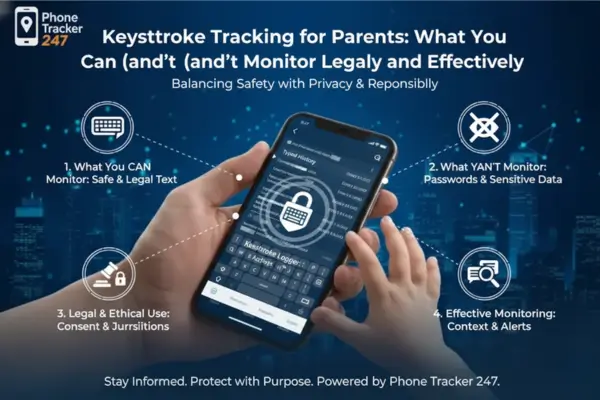
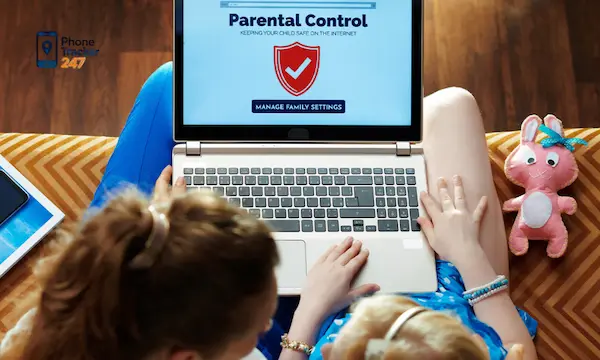
Technology can support safer parenting when used transparently and lawfully. Parental controls, content filters, app oversight, and activity reports help reduce blind spots. The key is to use them as protection tools, not secret surveillance. Trust works better when children understand why safety measures exist.
- Use tools to support conversations
Monitoring is most effective when it helps parents ask better questions and intervene earlier. - Choose transparency over secrecy
Consent-based, ethical monitoring strengthens credibility and reduces conflict inside the family. - Combine tools with real parenting
No app can replace communication, emotional support, or consistent family boundaries.

How PhoneTracker247 Supports Safer Digital Parenting
Parents often need help seeing what is happening before risk becomes a crisis. PhoneTracker247 is positioned as a privacy-first, consent-based monitoring solution focused on safety, device oversight, and ethical use. That matters because families need tools that support protection without crossing legal or trust boundaries.
Location Tracking and Geofencing for Real-World Safety
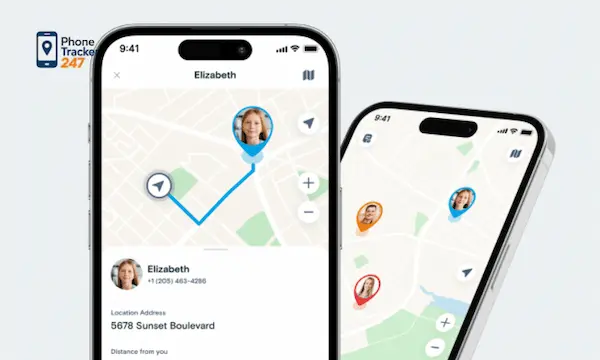
Digital safety is not limited to content and messages. Knowing whether a child arrived at school, left a safe zone, or changed routine unexpectedly can add an important layer of reassurance. Location tools support day-to-day safety planning, especially for older children who travel more independently.
- Real-time location improves visibility
- Geofencing alerts support routine awareness
- Movement history helps parents spot unusual patterns
Activity Insights That Help Parents Spot Risks Early
Parents cannot be present in every app or conversation. Activity reporting helps identify unusual app use, browsing concerns, or behavioral shifts that may need follow-up. Used carefully, these insights help families detect concerns earlier and respond with less guesswork.
- App usage can reveal habit changes
- Browsing patterns may highlight emerging concerns
- Reports support earlier and calmer intervention
A Privacy-First Approach Supports Trust
PhoneTracker247 emphasizes lawful, consent-based use and presents itself as a safety tool rather than covert spyware. That positioning is important for families who want practical oversight without normalizing secret surveillance. A clear, ethical framework helps parents stay consistent with both safety and trust.
- Consent-based use supports healthier family communication
- Transparency makes monitoring easier to explain
- A safety-first purpose aligns better with responsible parenting

Conclusion
Child and youth safety online is not about fear, punishment, or total control. It is about helping children move through the digital world with more awareness, stronger boundaries, and better support. Parents who combine open communication, digital education, clear family rules, and responsible monitoring create a safer environment both online and offline. If you want a practical, transparent way to stay informed and protect your family, PhoneTracker247 can help you build a smarter and more balanced digital safety system.
For daily updates, subscribe to PhoneTracker’s blog!
We may also be found on Facebook!
FAQs – Child and Youth Safety Online
1. What is child and youth safety online?
It means helping children use the internet safely and responsibly.
2. What are the biggest online risks for kids?
Cyberbullying, predators, harmful content, scams, and screen addiction.
3. How can parents spot online danger?
Watch for mood changes, secrecy, sleep issues, or sudden withdrawal.
4. Why is cyberbullying serious?
It can follow children across apps, chats, and social platforms.
5. How can parents prevent unsafe contact?
Teach kids to avoid strangers, fake profiles, and private secret chats.
6. Should parents set internet rules?
Yes, clear family rules create safer digital boundaries.
7. Are parental controls useful?
Yes, they help filter content, manage apps, and reduce blind spots.
8. Should monitoring be transparent?
Yes, lawful and open monitoring helps protect trust.
9. Can PhoneTracker247 support online safety?
Yes, it offers location, activity insights, and safety reports.
10. What is the best safety approach?
Combine education, clear rules, parental tools, and regular talks.