
Smartphones have become a normal part of children’s lives. From texting friends to coordinating school activities, kids now use text messages more than ever. While texting can be helpful, it also exposes children to risks such as cyberbullying, inappropriate content, or contact from strangers.
This is why many parents ask an important question: how to monitor child text messages without crossing legal or ethical boundaries. The good news is that there are safe, responsible ways to do this – while still maintaining trust with your child.
Why Parents May Need to Monitor Their Child’s Text Messages
Text messages are private by nature, but for children and teenagers, they can also expose serious risks that are easy to overlook. Understanding how to monitor child text messages helps parents identify problems early and take action before situations escalate.
Common Risks in Children’s Text Messaging
Children may encounter multiple risks through everyday texting, including:
- Cyberbullying from classmates or online contacts, often occurring in private conversations that adults cannot see
- Inappropriate language or sexual content, which can negatively impact emotional development and personal boundaries
- Strangers reaching out through shared phone numbers from school groups, games, or social apps
- Peer pressure that encourages risky behavior, unsafe challenges, or unwanted conversations
Because these interactions happen privately, children may struggle to process them alone or ask for help.
Warning Signs Parents Should Not Ignore
Parents should pay attention to behavioral changes that may indicate harmful texting activity, such as:
- Sudden secrecy around the phone or becoming defensive when asked about messages
- Frequent deletion of text messages without clear explanation
- Noticeable mood changes after texting, including sadness, anger, or withdrawal
- Unexplained anxiety, stress, or avoidance of social interactions
While no single sign confirms a problem, consistent patterns deserve attention.

Monitoring Is About Prevention, Not Control
Learning how to monitor child text messages does not mean invading privacy or reading every conversation. Responsible monitoring focuses on:
- Early detection of harmful interactions
- Supporting children during vulnerable situations
- Encouraging healthy digital habits over time
When monitoring is transparent and age-appropriate, it helps protect children while still respecting their growing independence.
Table 1: Compare the 3 Safest Monitoring Approaches
| Approach | What It Covers | Best For | Strengths | Limitations | Trust Level |
|---|---|---|---|---|---|
| PhoneTracker247 (Recommended) | SMS in/out logs, keyword alerts, pattern spotting, parent dashboard | Parents who need stronger visibility (bullying, scams, strangers) | Alerts + trends help you intervene early without reading every chat | Requires careful, transparent use and clear family rules | High when used openly |
| Built-in iPhone tools (Screen Time + Family Sharing) | Communication limits, time restrictions, downtime scheduling | Families starting with basic guardrails | Easy to enable, integrated in iOS | Limited access to actual message content and limited real-time risk alerts | High |
| Built-in Android tools (Google Family Link) | Activity reports, app permissions, downloads, screen time | Younger kids learning phone habits | Free, simple setup, privacy-compliant basics | Limited or no access to message content and no real-time risky-text alerts | High |
How to Monitor Your Child Text Messages: Practical Approaches
There is no single solution suitable for every family. The right approach depends on the child’s age, maturity, and online exposure. Below are the most common and responsible options available to parents.
Open Communication and Clear Rules
Before deciding how to monitor child text messages using any tool or phone setting, the most important step is communication. Open communication establishes context, purpose, and trust – three elements that technology alone cannot replace.
Parents should begin by clearly explaining why monitoring is necessary, emphasizing safety rather than control. Children need to understand that text messages can expose them to risks such as cyberbullying, inappropriate content, or contact from strangers. When monitoring is positioned as a protective measure instead of punishment, children are more likely to cooperate and feel respected.
Setting clear boundaries around phone usage is equally important. These boundaries help children understand expectations and reduce future conflict. Parents should clearly define:
- Appropriate times for phone and messaging use
- Which contacts are acceptable and which require approval
- Expectations for respectful and responsible communication
Parents should also agree in advance on what will and will not be monitored. For example, monitoring unknown contacts or flagged keywords while respecting private conversations with close friends. This clarity reduces the feeling of constant surveillance and supports emotional trust.
Benefits of this approach
- Builds trust and transparency between parents and children
- Encourages responsible digital behavior over time
- Increases the likelihood that children will report uncomfortable situations themselves
Limitations
- Some children may still hide or delete messages, especially as they grow older
- Communication alone may not provide early warnings, making it most effective when combined with additional monitoring methods
If you’re trying to monitor texts without turning it into “spying,” this guide breaks down how an SMS tracker actually works (what it logs, what it doesn’t, and how to set clear rules with your child): SMS Tracker for Parents: Safe Text Monitoring Guide
Built-In Phone Features on iPhone and Android
Modern smartphones include built-in parental control tools that help parents manage digital behavior safely and legally. These features are often the first step for parents learning how to monitor child text messages without installing third-party apps.
iPhone Parental Controls
Apple’s Screen Time and Family Sharing allow parents to:
- Restrict who a child can communicate with
- Limit messaging during specific hours
- Manage app usage and scheduled downtime
These controls are integrated into iOS, making them easy to activate and manage.
Android Parental Controls
Android devices offer Google Family Link, which enables parents to:
- View activity and usage reports
- Manage app permissions and downloads
- Control screen time and device access
Family Link works well for younger children who are still learning healthy phone habits.
Advantages of built-in features
- Free and easy to set up
- Fully legal, transparent, and privacy-compliant
- Suitable for basic supervision
Limitations
- Limited or no access to actual text message content
- No real-time alerts for risky or harmful messages
- May not provide enough visibility for early intervention
Using a Parental Control App to Monitor Text Messages
For parents who want deeper insight into communication patterns, parental control apps provide a more advanced solution. These tools are designed specifically to support families who want to understand how to monitor child text messages responsibly.
A reliable parental control app can help parents:
- Monitor incoming and outgoing SMS messages
- Receive alerts when texts contain suspicious or harmful keywords
- Identify unusual communication patterns over time
Rather than encouraging parents to read every message, high-quality apps focus on patterns, alerts, and behavioral trends, allowing early intervention without excessive intrusion.
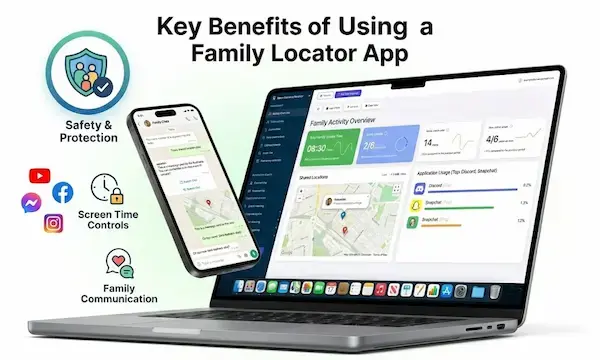
Most apps include a centralized parent dashboard, enabling remote monitoring from one secure interface. This is especially useful for parents who work long hours or cannot supervise phone use in person throughout the day.
When used transparently, apps to monitor kids phones support safety while reducing the need for constant direct supervision.
What Parents Should Avoid Doing
Regardless of the method chosen, certain actions can undermine trust, damage relationships, and raise legal concerns.
Parents should avoid:
- Hacking or bypassing device security
- Installing spyware without the child’s knowledge
- Reading messages secretly, especially with older children and teenagers
Overly invasive monitoring often leads children to become more secretive rather than safer. Effective monitoring focuses on transparency, proportionality, and respect for developmental stages, not control.
Understanding how to monitor child text messages correctly means balancing safety with trust—using the least invasive method necessary while remaining actively involved in a child’s digital life.
Monitoring Text Messages Across Different Age Groups
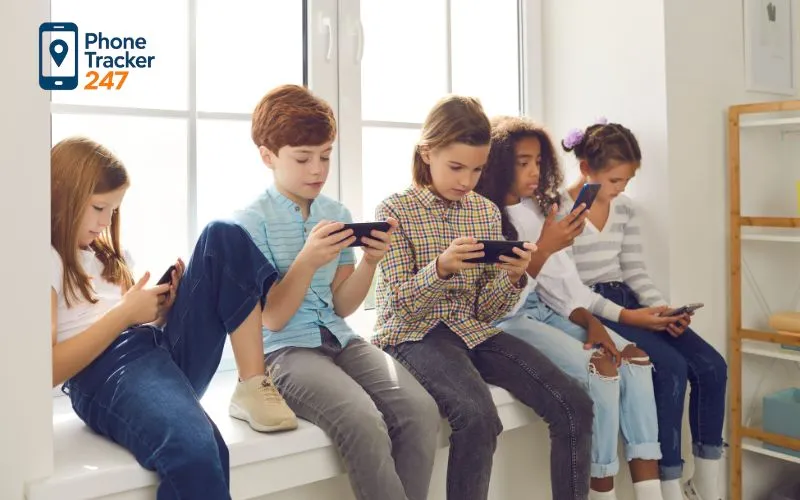
Monitoring should never remain static. As children grow, the approach to monitoring must evolve to match their maturity and ability to make responsible decisions. Understanding how to monitor child text messages across different age groups helps parents protect children without restricting healthy independence.
Younger children
- Higher levels of supervision are necessary due to limited awareness of online risks
- Clear and simple rules around who they can text and when
- Frequent parental guidance to reinforce safe communication habits
Pre-teens
- Structured monitoring rather than constant supervision
- Ongoing education about online risks, peer pressure, and digital boundaries
- Gradual increase in responsibility as trust is built
Teenagers
- Reduced oversight to respect growing independence
- Strong emphasis on open communication rather than direct access to all messages
- Monitoring focused on red flags such as unknown contacts or concerning keywords instead of full message review
Adjusting how to monitor child text messages based on age and maturity demonstrates trust while maintaining appropriate safeguards.
Table 2: What to Look For in a Text Monitoring Solution
| Category | Must-Have Checks | Why It Matters | Red Flags to Avoid |
|---|---|---|---|
| Transparency | Clear explanation of what data is collected and how it is used | Prevents “spyware” behavior and keeps parenting ethical | Anything that pushes secrecy or unclear data collection |
| Privacy + compliance | Privacy-compliant design and age-appropriate use | Reduces legal risk and protects your child’s privacy | Tools that bypass security or ignore privacy standards |
| Ease of setup | User-friendly setup with no advanced technical steps | Parents can use it correctly, consistently | Complicated installs that encourage risky workarounds |
| Compatibility | Works reliably on iPhone and Android | Avoids feature gaps and frustration | “Works everywhere” claims with no specifics |
| Helpful monitoring style | Alerts for suspicious keywords + pattern detection | Helps you focus on red flags instead of reading everything | Tools that encourage constant message-by-message spying |
| Parent behavior rules | Use the least invasive method needed and stay involved | Keeps safety the goal, not control | Hacking, bypassing device security, installing spyware without the child’s knowledge, secret reading (especially for teens) |
What to Look for in a Child Text Message Monitoring Solution
Parents who choose to use monitoring tools should evaluate them carefully. Learning how to monitor child text messages effectively involves selecting tools that prioritize safety, transparency, and responsible use.
- Clear explanation of what data is collected and how it is used
- Compliance with privacy laws and child protection standards
- User-friendly setup that does not require advanced technical knowledge
- Compatibility with major devices, including iPhone and Android
- Transparent terms, policies, and limitations
Tools designed specifically for families, such as PhoneTracker247, focus on parental guidance and child safety rather than intrusive surveillance. This approach supports monitoring that is ethical, legal, and age-appropriate.
Addressing Common Parental Concerns
Many parents hesitate how to monitor child text messages because they worry about trust, privacy, and long-term impact on their relationship with their child. These concerns are valid, but when monitoring is done thoughtfully, it often supports healthier communication rather than harming it.
Will monitoring harm my relationship with my child?
- Monitoring does not damage trust when it is explained clearly and done transparently
- Children are more likely to accept monitoring when they understand it is for safety, not control
- Open discussions about expectations often strengthen communication and reduce secrecy
Is it necessary to read every message?
- No, effective monitoring does not require constant review of every conversation
- The goal is to identify patterns, warning signs, and potential risks rather than scrutinizing daily chats
- Tools and settings that highlight red flags allow parents to intervene only when necessary
When should monitoring stop?
- There is no fixed age at which monitoring should end
- Oversight should gradually decrease as trust, maturity, and responsible behavior increase
- For teenagers, monitoring often shifts from full visibility to selective alerts and open communication
Understanding how to monitor child text messages responsibly means balancing protection with independence. When parents adapt their approach over time, monitoring becomes a supportive safety measure rather than a source of conflict.
FAQs
1. How can I monitor my child’s text messages safely?
Start with open rules and built-in controls, then use a parental monitoring app only if you need stronger safety alerts.
2. Is it legal to monitor my child’s text messages?
Often yes for parents or legal guardians of minors, but laws vary by location and by who owns the device and plan.
3. Can I monitor texts on an iPhone without reading everything?
You can use Screen Time and family settings to set limits and reduce risky situations, even if you do not view full message content.
4. Can I monitor texts on Android without invasive tools?
Google Family Link helps with app controls, permissions, and screen time, which can lower exposure to unsafe messaging behaviors.
5. What should I look for in a text monitoring app?
Choose options that support transparency, clear privacy policies, useful alerts, and simple reporting instead of constant message-by-message viewing.
6. How do I monitor messages without breaking trust?
Tell your child what you monitor, why it is for safety, and what behaviors earn more privacy over time.
7. What are common red flags in text messages for parents?
Watch for sudden secrecy, new unknown contacts, pressure for photos or money, threats, or messages that cause anxiety or mood changes.
8. What should I do if I find risky or harmful messages?
Stay calm, document the concern, talk with your child, and escalate to school staff or local authorities if there is credible danger.
Final Thoughts
Understanding how to monitor child text message activity requires balance. Parents have a responsibility to protect their children from digital risks, but that responsibility must be carried out with respect, legality, and long-term trust in mind. Monitoring should support safety without undermining a child’s growing sense of independence.
The most effective approach combines several essential elements:
- Clear and ongoing communication between parents and children
- Age-appropriate boundaries that evolve as children mature
- Reliable monitoring tools that focus on awareness rather than intrusion
When used thoughtfully, monitoring becomes a preventive measure rather than a reactive one. It allows parents to identify potential risks early, provide guidance at the right moments, and encourage healthy digital habits over time.
Solutions designed specifically for families, such as PhoneTracker247, support parents by offering insight into text message activity while respecting privacy standards and legal guidelines. These tools help parents stay informed without resorting to overly invasive practices.
Quick Summary Table
| What you want to solve | Best option to start | When to upgrade | Why it helps |
|---|---|---|---|
| Basic texting boundaries and healthier habits | iPhone Screen Time (Family) or Google Family Link | If risky contacts or repeated rule-breaking shows up | Sets clear rules without feeling invasive |
| Early warning for bullying, scams, strangers | PhoneTracker247 | When you need keyword alerts and clearer patterns | Flags red alerts fast so you can step in early |
| Screen time overload linked to constant messaging | Google Family Link + schedules | If late-night texting keeps happening | Reduces temptation with downtime routines |
| Serious safety concerns (threats, harassment) | PhoneTracker247 + parent-child safety plan | If issues escalate beyond the family | Helps document concerns and respond calmly |
| Staying safe without breaking trust | Family rules + weekly check-ins | If your child feels monitored too closely | Keeps the focus on safety, not control |
By approaching text message monitoring with intention and care, parents can help their children navigate digital communication safely – not only today, but in the years ahead as technology continues to evolve.
For daily updates, subscribe to PhoneTracker’s blog!
We may also be found on Phone Tracker App on Facebook!