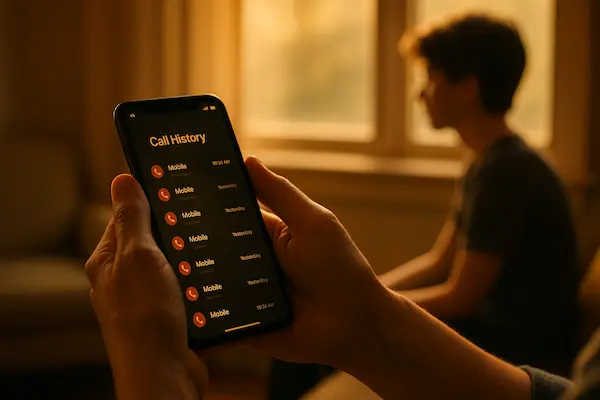
Before we dive into the details, this Parental Guide To Reviewing Call History gives you a simple roadmap for what comes next. We will start with why call logs still matter, then move through legal basics, real life conversations, practical how to steps and a clear action plan, so you can pick the parts that fit your family right now.
Contents
- 1 1. Why Parents Still Need A Parental Guide To Reviewing Call History
- 2 2. Legal And Ethical Ground Rules Before You Review Teen Call History
- 3 3. How To Talk To Your Teen Before You Review Call History
- 4 4. Step By Step Guide To Reviewing Call History On Android And iPhone
- 5 5. Using Parental Control And Call Log Apps Without Breaking Trust
- 6 6. How To Read Call History Patterns And Spot Real Risk Early
- 7 7. Age Based Strategies For Reviewing Call History With Teens
- 8 8. When Call History Warning Signs Mean You Should Ask For Help
- 9 9. Protecting Privacy And Data Security While You Review Call History
- 10 10. Building A Family Digital Safety Plan Around Call History Checks
- 11 FAQs About This Parental Guide To Reviewing Call History
- 12 Conclusion And Action Plan For Safer Teen Phone Use
1. Why Parents Still Need A Parental Guide To Reviewing Call History
Even in a world of chats and social apps, call logs still tell an important part of your teen’s story. This Parental Guide To Reviewing Call History starts with the “why” so you know what you are looking for and do not check the phone just from fear or guesswork.
1. The gap between what parents see and what teens actually do on phones
Most parents only see flashes of their teen’s phone life, like a name on a ringing screen or a late notification. Call history closes part of that gap by showing who calls, how often and at what time. A short call to a classmate after school feels normal, while repeated late night calls from an unknown number deserve questions. Instead of arguing about “always on your phone”, you can talk about real patterns you both can see.
2. What call history reveals that messages and social apps often hide
Messages disappear, feeds move fast and screenshots tell only one side of a story. Call logs are more stable and often reveal clusters of missed calls, sudden spikes in activity or long one to one conversations. These do not prove danger, but they can point to pressure, bullying or unhealthy dependence on one person. Used calmly, this Parental Guide To Reviewing Call History turns those patterns into starting points for honest talks, not automatic blame.
3. How to frame call history checks as protection instead of punishment
If call history appears only during a fight, your teen will see it as a weapon. If you explain early that you may review call logs sometimes for safety, it becomes part of a shared plan. You can compare it to checking door locks or knowing where house keys are, not reading every private thought. When you frame reviews as protection, this Parental Guide To Reviewing Call History supports long term trust instead of constant conflict.

2. Legal And Ethical Ground Rules Before You Review Teen Call History
Before you touch your teenager’s phone, you need some clear ground rules. This Parental Guide To Reviewing Call History is built on the idea that safety and privacy can live side by side, as long as you understand roughly what the law expects from parents and what basic respect looks like in daily family life.
1. Understanding teen privacy expectations at different ages
A twelve year old and a sixteen year old do not have the same sense of privacy. Younger teens usually accept more oversight if you explain it calmly and link it to protection, just like crossing the road together. Older teens, however, see their phone as part of their identity and social world, not just a gadget you pay for.
If you act as if age does not matter, every check can feel unfair or humiliating. It helps to say clearly what you will do now and how you plan to reduce checks as they show more responsibility. That way, call history reviews feel like part of a growth path, not a permanent sentence.
2. Key legal principles around accessing a teenager’s phone and call logs
Laws differ between countries, but a few themes repeat. Parents often have wide authority to protect their children, yet privacy and data rules still exist. Secret recording, sharing screenshots of call logs or giving third parties access to a teen’s account can create problems even when your intention is good.
Any Parental Guide To Reviewing Call History should assume you will check local rules if you suspect serious harm, and that you will be careful about storing or forwarding call information. When in doubt, act as if anything you do with that data might one day have to be explained to a school, a platform or a court. That mindset keeps your actions conservative and defensible.
3. Ethical checklist for parents before the first call history review
Legal permission is not the same as ethical permission. Before you review call history, ask yourself three simple questions: Am I doing this because of a specific concern or just general anxiety Is this the least intrusive step I can take right now Do I have a plan for how I will talk about what I find, even if I do not like it
When you follow this Parental Guide To Reviewing Call History, this checklist helps you pause before you act. If your answers feel shaky, it may be better to start with a conversation, not the phone itself. Over time, your teen will learn that your goal is genuine safety and support, not catching them out for every small mistake.
3. How To Talk To Your Teen Before You Review Call History
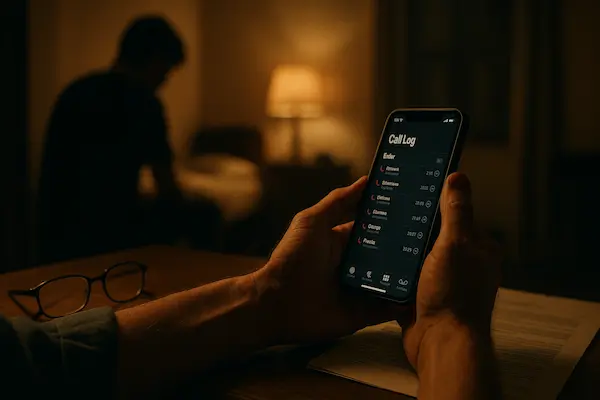
If the conversation goes wrong, every tool will feel like spying. This part of the Parental Guide To Reviewing Call History helps you choose the right moment, words and tone so your teen sees call log checks as protection, not attack.
1. Choosing the right moment and tone for the first conversation
Avoid starting this talk in the middle of a fight, after a bad grade or right before bed. Pick a calm, ordinary time, and say clearly that you want to talk about phone safety, not blaming. Keep your voice steady, admit that you made mistakes as a teen too, and explain that you want a plan in case calls or messages ever cross the line.
2. Turning call history rules into a simple family digital agreement
Teens handle clear expectations better than surprise checks. Sit together and agree when call history might be reviewed, how often that could happen and what you will ignore because it is normal social life. Writing this down turns the Parental Guide To Reviewing Call History into a small family contract that you can revisit and adjust as your child grows.
3. Sample phrases that keep the discussion honest instead of hostile
A few short lines prepared in advance make the talk easier. You can say, “I trust you, and I also know the online world can be messy, so looking at call history together sometimes helps us keep you safe.” You might add, “If any part of this Parental Guide To Reviewing Call History feels unfair, tell me and we will review it.” Simple, calm phrases like these keep the door open instead of turning the phone into a battlefield.

Table 1 – Sample Family Call History Agreement
This table turns your Parental Guide To Reviewing Call History into a simple, written family agreement.
| Rule | What it means in daily life | How often we review call history | What happens if we see a problem |
|---|---|---|---|
| Unknown numbers must be explained | You tell a parent who new or hidden numbers belong to | During agreed check ins or when a concern arises | We ask calm questions first, then decide together if blocking is needed |
| No calls after agreed quiet hours | No social calls after 10 p.m. on school nights | Spot check once a month | We talk about why the rule was broken and reset boundaries |
| Reviews happen side by side, not alone | A parent and teen look at the call log together on the same screen | A few times a year or after major changes | We pause if anyone feels overwhelmed and return to the rules we agreed |
| Safety worries must be shared | You tell a parent if any caller makes you feel unsafe or pressured | We ask about this in regular family check ins | We may block, report or contact school or another adult for support |
| Parents do not comment on every detail | We focus on safety patterns, not harmless drama or normal friendships | Every review | We agree to drop topics that are just normal social life |
4. Step By Step Guide To Reviewing Call History On Android And iPhone
Once your rules are clear, you still need to feel steady with the phone in your hands. This part of the Parental Guide To Reviewing Call History gives you simple, calm steps so you know what to tap, what to notice and how to keep the mood under control.
1. Practicing on your own phone first so you stay calm and confident
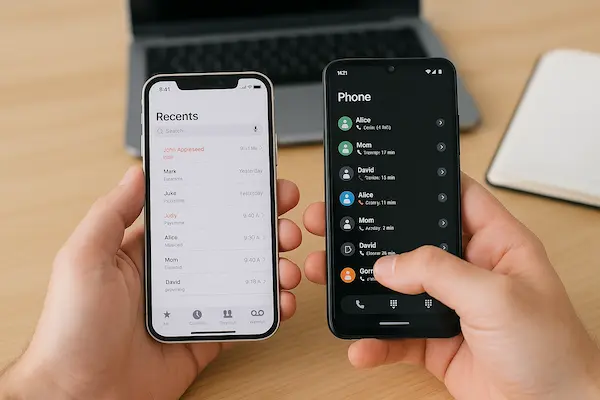
Start with your own device. Open the Phone app, tap Recents or History and scroll through your calls. Tap a few entries to see time, duration and type of call. Do this on both Android and iPhone if you have them. When the layout already feels familiar, you are less likely to fumble or look nervous in front of your teen.
2. Step by step guide to reviewing call history on Android and iPhone together
When you review your teen’s call history, sit side by side. Ask them to unlock the phone and open the Phone app. On Android, tap Recents or History. On iPhone, tap Recents at the bottom. Agree on a time frame, such as the last week, so the review feels bounded. Stop only on entries that match what you both agreed to watch, like unknown numbers or very late calls, and remind them this follows the Parental Guide To Reviewing Call History you already discussed.
3. What to look for when you scroll through teen call logs in real time
You are watching for patterns, not collecting evidence on every friend. Look for repeated calls from the same new number, clusters of missed calls, or very long calls at difficult times. Ask neutral questions first and give your teen time to explain. If nothing worrying appears, say so clearly. If something does, pause, breathe and use this Parental Guide To Reviewing Call History as a script for a slower, more thoughtful talk instead of reacting in anger.
5. Using Parental Control And Call Log Apps Without Breaking Trust
Apps can make reviews easier, but they can also feel like spying if you use them badly. This part of the Parental Guide To Reviewing Call History shows how to add tools in a clear, consent based way.
1. What parental control and call log apps can see and what they cannot
Most tools show call history, basic activity and sometimes simple alerts, not every word your teen says. Think of them as a dashboard for patterns, not a way to read their whole life. Used like that, apps simply support the Parental Guide To Reviewing Call History instead of replacing honest talk.
2. Non negotiable rules for using monitoring apps with teens
If you install an app, tell your teen. Explain what the app is called, what it records, how often you check it and what you will ignore because it is normal social life. When you write these promises into your family agreement, the Parental Guide To Reviewing Call History feels like a shared safety plan, not a secret power move.
3. When advanced monitoring is justified and when it becomes too much
Stronger monitoring makes sense only when there is clear risk, such as serious bullying or unsafe adults, and even then it should be reviewed and time limited. If you catch yourself checking dashboards all day, it may be a sign to step back. The Parental Guide To Reviewing Call History works best when apps give calm visibility, not constant anxiety.

Table 2 – Comparing Call History Monitoring Options For Parents
Use this table to choose tools that fit the spirit of your Parental Guide To Reviewing Call History, instead of over monitoring.
| Method | What you see | Pros | Cons | Best for which families |
|---|---|---|---|---|
| Manual in phone reviews with your teen present | Recent calls on the device only | Free, transparent, encourages conversation | No alerts, easy to forget, depends on regular check ins | Families starting out with low to medium risk |
| Carrier bill or online call log | Numbers, times and durations from the phone provider | Harder to delete, good for broad patterns over months | Less detail, no names, can feel distant to teens | Families wanting a high level overview of call activity |
| Built in parental controls on phone or platform | Call history plus basic activity summaries | No extra app, often has simple time limits and filters | Limited features, varies by device, some teens may bypass | Families who want light structure with minimal setup |
| Consent based monitoring app such as PhoneTracker247 | Call history plus agreed alerts and simple dashboards | Central view of key risks, can match family agreement | Needs careful setup and clear rules to avoid feeling like spying | Families who want more visibility while still using clear consent |
| High control or device management style monitoring | Very detailed logs and configuration options | Strong oversight where serious risk already exists | Easily feels intrusive, can damage trust if used too widely | Short term plans in high risk, professionally guided cases |
6. How To Read Call History Patterns And Spot Real Risk Early
Call logs are more useful when you focus on patterns, not single calls. This part of the Parental Guide To Reviewing Call History helps you tell the difference between normal teen behaviour and call activity that might point to bullying, grooming or other real risks.
1. Normal teen call patterns compared to possible warning patterns
Healthy patterns often look like short calls around school, activities and family plans, mixed with periods of quiet. Warning patterns usually cluster in time or around one number, such as repeated late night calls, very long one to one calls with a new contact, or many missed calls from the same person in a short window. You are not judging your teen’s social life, you are checking whether the rhythm feels balanced or extreme. When you see something odd, treat it as a question, not a verdict.
2. Combining call history with mood, school and social media clues
Call history should sit next to what you already notice in daily life. A spike in calls from one number might be fine if your teen seems happy, rested and steady at school. The same pattern feels different if they are suddenly withdrawn, not sleeping, or dreading certain classes. Look at calls, mood, grades and social media together, so this Parental Guide To Reviewing Call History becomes part of a wider picture, not the only lens you use.
3. How to respond if call history patterns make you worried
If a pattern worries you, pause before you act. Take a screenshot if needed, then choose a calm moment to talk. Use simple, neutral language like, “I noticed a lot of late calls with this number. How do you feel about those conversations” and listen fully to the answer. If your teen seems unsafe or overwhelmed, you can move to stronger steps later, but the first move in this Parental Guide To Reviewing Call History is almost always a slow, honest conversation, not instant punishment.

7. Age Based Strategies For Reviewing Call History With Teens
An eleven year old and a seventeen year old cannot be managed in the same way. This Parental Guide To Reviewing Call History should shift with age and maturity so your teen feels guided, not controlled for life.
1. Younger teens: shared phone ownership and guided call log reviews
With younger teens, think of the phone as shared property and training ground. Reviews can be more frequent and more hands on. Sit together, look at call history and use it to teach basics like blocking unwanted numbers, spotting scams and ending calls that feel pushy. Keep the tone like teaching road rules, not catching crimes.
2. Middle teens: targeted spot checks with clear reasons and limits
Middle teens need more space but still benefit from guardrails. At this stage, the Parental Guide To Reviewing Call History works best through occasional spot checks tied to clear reasons, such as a major change, a safety concern or a regular check in you both agreed on. Explain each review in advance, stick to the limits you set, and focus only on calls that match the risk areas you discussed, not every social detail.
3. Older teens: shifting from active monitoring to safety backup mode
With older teens, call history should feel more like an emergency backup than a daily control panel. You might agree that you will rarely review logs unless there is a serious concern, and that your main role is to help if they ever feel threatened or pressured. In this phase, the Parental Guide To Reviewing Call History is about trust, coaching and shared problem solving, while the right to more privacy becomes part of moving toward adulthood.
8. When Call History Warning Signs Mean You Should Ask For Help
Not every odd entry in a call log is an emergency. This part of the Parental Guide To Reviewing Call History explains when patterns are serious enough that you should bring in other adults, instead of trying to handle everything on your own.
1. When unusual call patterns suggest you should contact another parent
Start close to home. If you see repeated late night calls with the same classmate, many missed calls that seem pushy, or tense hang ups after known conflicts, it can help to speak with that child’s parent. Keep the focus on safety, not blame. Share simple facts from the call history, explain how your teen is feeling and invite them to compare what they see on their side. Used calmly, this Parental Guide To Reviewing Call History can turn a quiet worry into joint problem solving between families.
2. When school should be involved in call history related concerns
School becomes important when call patterns link clearly to classmates, teachers or events on campus. Long runs of calls before or after certain lessons, or spikes in activity around bullying incidents, may point to pressure your teen cannot escape. In that case, collect only the minimum screenshots you need and ask to speak with a trusted staff member, such as a counsellor or head of year. Describe the pattern, not just your fear, and ask for help building a plan that protects your child without overreacting.
3. Serious red flags that justify legal or professional support
Some call history patterns go beyond family and school. Repeated calls from much older people, unknown adults asking for secrecy, threats, blackmail, sexual content or attempts to move conversations off normal channels are all red flags. If you see anything like this, save evidence safely and consider contacting child protection services, a help line or legal counsel. At this point, your Parental Guide To Reviewing Call History is not about checking rules any more, it is about moving quickly, with professional support, to keep your teen safe.
9. Protecting Privacy And Data Security While You Review Call History
Safety loses meaning if you create new privacy risks while trying to solve old ones. This part of the Parental Guide To Reviewing Call History helps you keep both the device and the information on it protected, so your teen is safer in every direction.
1. Locking down devices and accounts after every call history check
After a review, make sure the basics are in place: screen lock on, strong passcode, no passwords written on paper in the open and two factor login for important accounts. If you used your teen’s phone during the review, hand it back locked, not open on private screens. Small habits like these show that even when you follow a Parental Guide To Reviewing Call History, you still respect the phone as their personal space.
2. How to store screenshots and sensitive call information safely
If you take screenshots of worrying patterns, treat them like confidential documents. Keep them in a secure folder on a password protected device, and do not share them casually in group chats or with relatives. When you need advice, describe the situation in words rather than forwarding images, unless a professional or authority asks for evidence. A careful Parental Guide To Reviewing Call History always assumes that leaked screenshots could embarrass or harm your teen later.
3. Teaching teens to protect themselves instead of relying only on parents
Privacy and security work best when your teen knows how to act, not only when you are watching. Show them how to block unwanted numbers, report abuse to carriers or apps, and change settings if a phone is lost. Encourage them to tell you quickly if someone misuses their number. Over time, the Parental Guide To Reviewing Call History becomes less about what you check and more about the skills they carry into adult life.
10. Building A Family Digital Safety Plan Around Call History Checks
Call logs work best when they sit inside one clear family plan, not as the only rule you enforce. This Parental Guide To Reviewing Call History helps you link call checks with apps, social media and screen time so everyone knows what “safe phone use” really means at home.
1. Connecting call rules with app, social and screen time rules
Put everything on one page. List calls, messaging, social apps, gaming and screen free times, then write one simple goal for each. When call history checks are written next to these other rules, they feel like one part of your wider Parental Guide To Reviewing Call History, not a separate punishment pulled out only in a crisis.
2. Running monthly family check ins that may include call history reviews
Set a short check in once a month. Ask what feels fair, what feels too strict and whether call rules are working in real life. Some months you might review call history, other months you may only talk. Regular, calm reviews keep the plan alive and stop this Parental Guide To Reviewing Call History turning into a forgotten document no one follows.
3. Updating your rules as your teen grows, earns and sometimes loses trust
As your teen shows steady behaviour, you can ease back on checks. If trust slips, you can tighten things again for a while, as long as you explain why and what needs to change. Linking more freedom or more control to clear behaviour gives your Parental Guide To Reviewing Call History real weight, while still leaving space for growth and second chances.
FAQs About This Parental Guide To Reviewing Call History
1. Is it legal for parents to review a teenager’s call history
Often yes, if it is for safety, but rules differ by country. Check local guidance or a professional if you are unsure.
2. Should I tell my teen before I check their call logs
In most cases, yes. Honest, agreed checks build more trust than secret reviews.
3. How often should parents review call history for teen safety
For most families, occasional reviews tied to clear reasons are enough. Daily checks usually signal a deeper issue that needs a wider plan.
4. What red flags in call history should really worry parents
Repeated late night calls, unknown adults, pushy clusters of missed calls and any link to threats or blackmail are key red flags.
5. Can call history alone prove bullying or grooming
No. Call logs are one clue and must be read together with messages, behaviour and your teen’s own story.
6. What can I do if my teen refuses to let me see their call history
Ask why, listen first, then restate your safety concerns. Offer a limited review or involve a neutral adult if worry stays high.
7. Do parental control apps show more than standard call logs
Some add alerts and summaries, but they still cannot replace real conversation. They work best as support, not as a full solution.
8. How can I use this guide without damaging trust
Be clear about what you do, stick to your own rules and adjust as your teen grows. Keep repeating that safety, not spying, is the goal.
Conclusion And Action Plan For Safer Teen Phone Use
Modern phone life moves fast, but your response does not have to. A clear, honest Parental Guide To Reviewing Call History gives you a calm way to spot risk early, protect privacy and keep real trust with your teen. You are not aiming for perfect control, just a phone routine where problems are seen in time and handled together.
Key principles to remember
Keep five ideas in view: be transparent, match checks to age and risk, focus on patterns not single calls, protect data as carefully as your child, and start with conversation before punishment. Treated this way, your Parental Guide To Reviewing Call History feels like a safety net, not a trap.
A simple 30 day roadmap
Week 1 – Talk about phone safety and write a one page family agreement that includes when call history may be reviewed.
Week 2 – Practice on your own phone, then do one short, low drama review together.
Week 3 – Adjust rules based on what felt fair or tense.
Week 4 – Hold a 15 minute family check in and decide what to keep, relax or tighten for the next month.
Quick Summary Table – Teen Call History Safety Plan
| Area | What to check in real life | One action this month |
|---|---|---|
| Rules | Are call history rules clear and written | Draft and sign a simple family phone agreement |
| Patterns | Do call times and contacts look mostly healthy | Do one calm joint review of recent call history |
| Wellbeing | Do calls match mood, sleep and school performance | Add a short weekly check in about how online life feels |
| Tools | Are tools simple, transparent and age appropriate | Test a clear, consent based app like PhoneTracker247 |
Take the next step with PhoneTracker247
If you want help turning this Parental Guide To Reviewing Call History into daily practice, PhoneTracker247 can give you one shared view of call history and basic activity under clear, agreed rules. Set it up together, show your teen what is visible and what is not, and link alerts directly to the safety goals in your family agreement. That way, PhoneTracker247 becomes a practical support for honest parenting, not a secret spying tool, and every review of call history fits into a transparent plan you both understand.
For daily updates, subscribe to PhoneTracker’s blog!
We may also be found on Facebook!