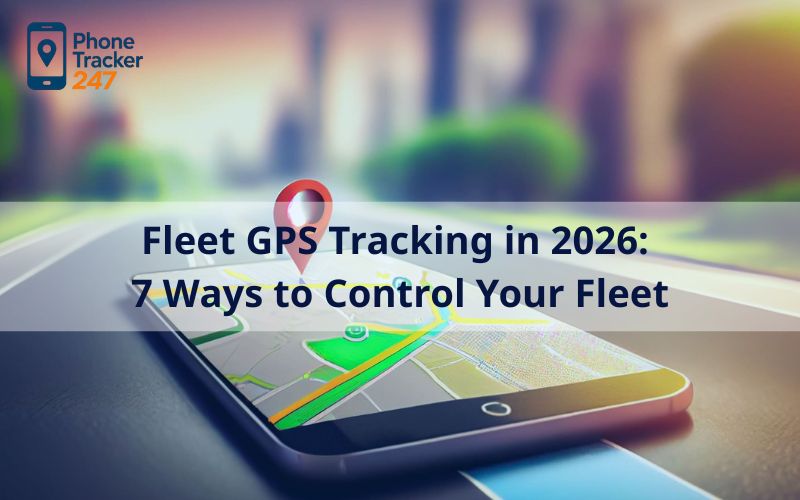
As businesses expand across cities, regions, and even countries, managing vehicles efficiently has become a strategic necessity rather than an operational detail. Companies that rely on transportation, delivery, or field teams can no longer afford blind spots in their daily operations. This is where fleet GPS tracking plays a critical role, giving organizations real-time visibility, stronger control, and data-driven insights into how their fleets actually operate.
In 2026, fleet GPS tracking is no longer limited to large logistics corporations. With the rise of phone-based solutions and cloud platforms, businesses of all sizes can now adopt flexible, scalable tracking systems without heavy infrastructure investments. This article explores how fleet GPS tracking works, why it matters globally, and how modern solutions are reshaping fleet management.
What Is Fleet GPS Tracking and How It Works
Fleet GPS tracking refers to the use of GPS-enabled technology to monitor, manage, and analyze the real-time location and movement of multiple vehicles owned or operated by a business. Unlike personal tracking tools, fleet GPS tracking is designed specifically for operational oversight, reporting, and long-term optimization.
At a technical level, location data is collected from GPS-enabled devices—either dedicated hardware or smartphones—and transmitted to a centralized dashboard. Fleet managers can view live locations, route histories, stop durations, and movement patterns across their entire vehicle network. Over time, this data becomes a powerful resource for improving efficiency, controlling costs, and ensuring accountability.
What makes fleet GPS tracking particularly valuable is its ability to turn movement into measurable insights. Instead of relying on assumptions or manual logs, businesses gain an objective view of how vehicles are used day to day.
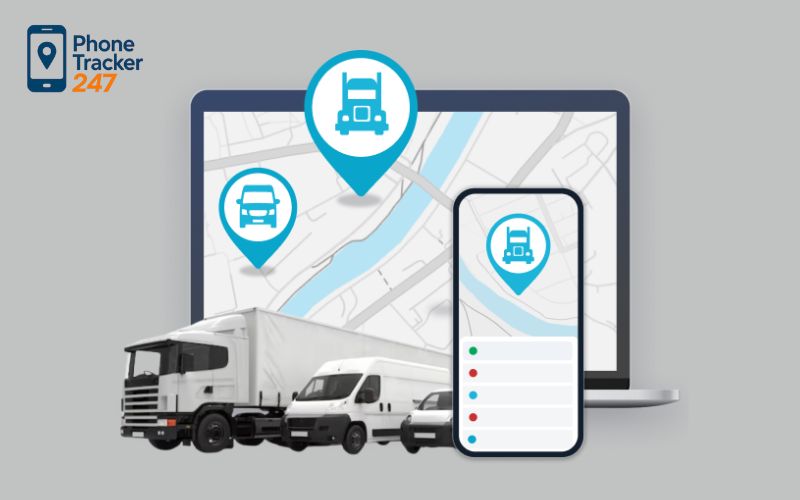
Table 1: Fleet GPS Tracking Control Methods Comparison
| Control method (the “7 ways”) | What it helps you control | GPS data used | KPI to watch | Best for | Common pitfall |
|---|---|---|---|---|---|
| 1) Live location + geofences | Where vehicles go, and when they arrive/leave sites | Real-time pings, geofence enter/exit | On-time arrival %, unauthorized stops | Delivery, field service | Too many geofence alerts (noise) |
| 2) Route planning + route compliance | Whether drivers follow the planned route | Breadcrumb trail, route deviation | Miles per stop, route deviation rate | Multi-stop delivery | Overly strict rules that ignore traffic reality |
| 3) Driver behavior scoring | Speeding, harsh braking, rapid accel, cornering | Speed + motion events | Safety score, speeding events/100 mi | Any fleet with safety goals | Punitive scoring that kills adoption |
| 4) Idle time and fuel control | Engine idle waste and fuel burn | Stationary + engine-on (via telematics) | Idle minutes/day, fuel per mile | Heavy duty, city routes | Not excluding PTO or job-site idling |
| 5) Smart dispatch + ETA updates | Who to send, and when to reroute | Live location + traffic + history | Response time, ETA accuracy | On-demand service | Dispatchers override system without a reason log |
| 6) Maintenance and utilization | When to service and how hard assets are used | Mileage, engine hours, usage patterns | PM compliance %, downtime hours | Mixed fleets | Using calendar-only PM instead of actual usage |
| 7) Exceptions and alerts | What needs attention right now | Rules-based alerts (speed, geofence, sensor) | Alerts resolved time, repeat incidents | Managers with many vehicles | Alert fatigue from poor thresholds |
Why Fleet GPS Tracking Is Essential for Global Businesses
As operations scale geographically, complexity increases exponentially. Fleet GPS tracking helps global businesses maintain control even as teams and vehicles spread across regions.
Real-Time Visibility Across Distributed Fleets
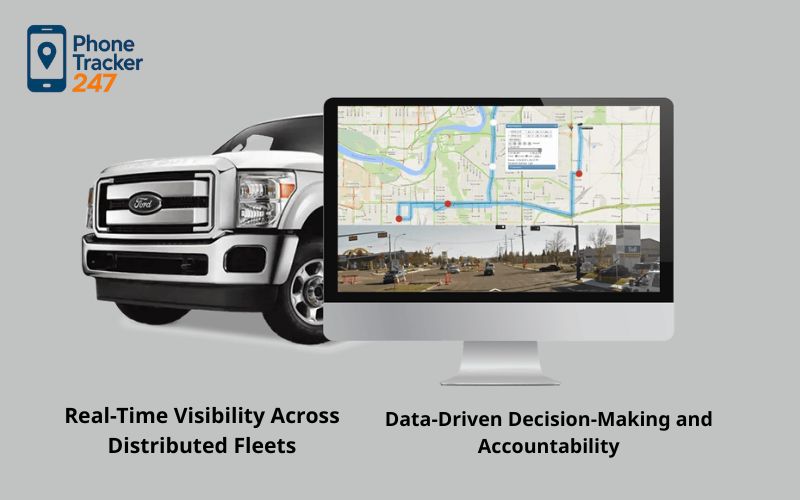
One of the primary reasons companies adopt fleet GPS tracking is the need for real-time visibility. Managers can instantly see where vehicles are, whether they are on schedule, and how routes are progressing throughout the day.
This level of transparency reduces uncertainty and allows businesses to respond quickly to delays, reroute vehicles, or adjust schedules. For global operations, where time zones and distances add complexity, real-time visibility becomes a competitive advantage rather than a convenience.
Data-Driven Decision-Making and Accountability
Fleet GPS tracking replaces guesswork with data. Managers can evaluate performance based on actual routes, driving behavior, and usage patterns rather than anecdotal reports.
Accountability improves across the organization because decisions are grounded in factual information. This not only supports fair performance evaluations but also protects businesses in case of disputes related to deliveries, service visits, or vehicle usage.
Key Benefits of Fleet GPS Tracking for Business Performance
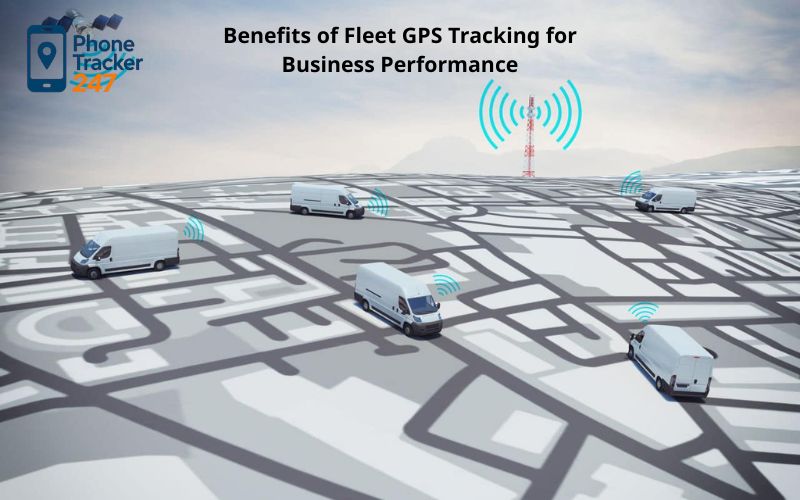
The benefits of fleet GPS tracking extend beyond simple location monitoring. When implemented effectively, it directly impacts operational performance and profitability.
Improving Operational Efficiency and Productivity
Fleet GPS tracking helps identify inefficiencies that are often invisible without data. Businesses can detect unnecessary detours, excessive idle time, or poorly planned routes that waste hours each week.
By optimizing routes and dispatch decisions, companies often complete more jobs with the same number of vehicles. Over time, productivity gains accumulate without increasing fleet size or labor costs.
Reducing Costs and Operational Waste
Fuel, maintenance, and labor are among the largest expenses for fleet-dependent businesses. Fleet GPS tracking helps reduce fuel consumption by highlighting speeding, harsh driving, and prolonged idling.
Accurate mileage and usage data also support preventive maintenance schedules. Vehicles receive service when needed, reducing breakdowns and extending asset lifespan, which directly lowers long-term operating costs.
Enhancing Driver Safety and Compliance
Safety is a critical concern, especially for businesses operating in regulated industries or multiple countries. Fleet GPS tracking encourages safer driving behavior by increasing transparency and awareness.
Drivers are more likely to follow speed limits and approved routes when activity is monitored responsibly. This often leads to fewer accidents, lower insurance claims, and improved compliance with internal policies and external regulations.
A closer look at the differences between Bluetooth and GPS trackers highlights why GPS remains the preferred choice for fleet operations that require accuracy, scalability, and continuous monitoring across long distances.
Core Features to Look for in a Fleet GPS Tracking System
Not all fleet GPS tracking solutions offer the same value, so understanding essential features is key to making the right choice.
Real-time location tracking is fundamental. It allows managers to monitor vehicles instantly and make quick operational decisions when conditions change.
Route history and trip playback provide detailed records of past movements. These features are essential for audits, performance reviews, and resolving disputes.
Geofencing enables businesses to create virtual boundaries around warehouses, customer locations, or restricted areas. Automated alerts notify managers when vehicles enter or exit these zones, improving security and operational control.
Reporting and analytics tools turn raw location data into actionable insights. Clear dashboards help managers identify trends, inefficiencies, and opportunities for improvement without manual analysis.
Hardware-Based vs Phone-Based Fleet GPS Tracking Solutions
Choosing between hardware-based and phone-based solutions has a significant impact on cost, flexibility, and scalability.
Limitations of Traditional Hardware GPS Trackers
Hardware-based tracking systems rely on dedicated devices installed directly into vehicles. While they offer consistent performance, they require upfront investment, professional installation, and ongoing maintenance.
These systems are often less flexible for businesses with changing fleets, temporary vehicles, or high driver turnover. Scaling up or down can be time-consuming and costly, especially for global operations.
Why Phone-Based Fleet GPS Tracking Apps Are Gaining Adoption
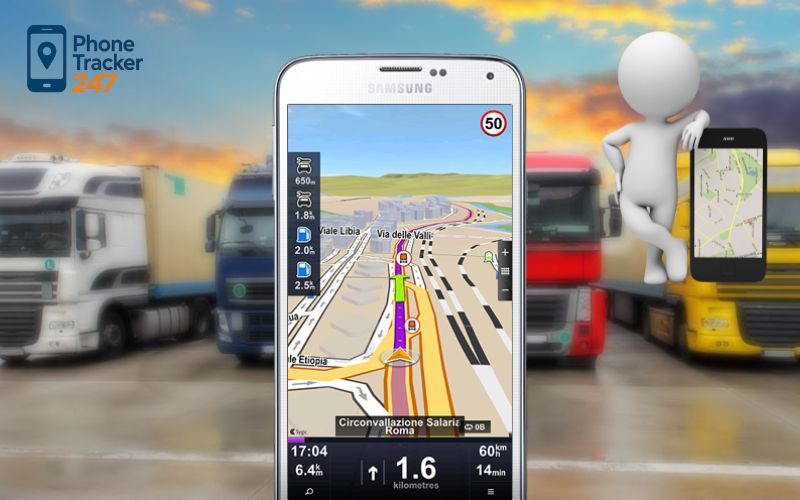
Phone-based fleet GPS tracking uses smartphones already carried by drivers to collect and transmit location data. This approach eliminates hardware installation and significantly reduces setup time, making it ideal for distributed or fast-growing teams.
As more businesses explore app-based monitoring, many decision-makers choose to compare different solutions before committing. Reading detailed mSpy reviews can help users understand how various tracking apps differ in features, ease of use, and privacy considerations, especially when evaluating phone-based alternatives.
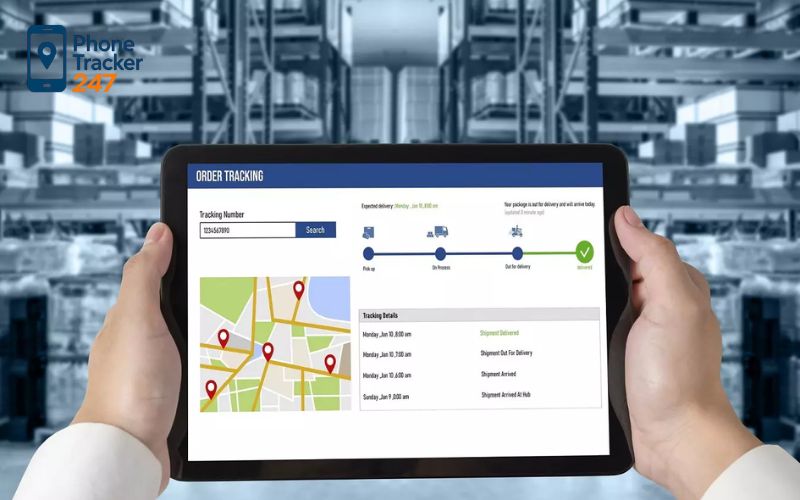
Solutions like Phone Tracker 247 also illustrate how phone-based fleet GPS tracking can deliver real-time location updates, route history, and centralized reporting while remaining cost-effective and scalable. For many businesses, this model strikes the right balance between functionality and flexibility.
Legal, Ethical, and Implementation Considerations
Implementing fleet GPS tracking also requires careful attention to legal and ethical responsibilities.
Employees should be informed clearly about tracking policies, including what data is collected and how it is used. Transparency builds trust and reduces resistance from drivers.
Regulatory requirements vary across countries, making compliance especially important for global businesses. Organizations must ensure that location data is stored securely and handled in accordance with local privacy laws.
Ethical implementation focuses on improving operations rather than constant surveillance. When used responsibly, fleet GPS tracking supports efficiency and safety without harming workplace morale.
FAQs – Fleet GPS Tracking
1. What is fleet GPS tracking in 2026?
It combines GPS and telematics to show location, trips, stops, and key performance signals in near real time.
2. What is the biggest benefit of GPS tracking for fleet control?
Better visibility so you cut wasted miles, improve ETAs, and enforce routes and schedules consistently.
3. How accurate is fleet GPS tracking?
Usually accurate outdoors, but can drop in tunnels, dense cities, garages, or poor-signal areas.
4. Can GPS tracking reduce fuel costs?
Yes, mainly by reducing idling, detours, and inefficient routes.
5. Is GPS tracking legal for company vehicles?
Often yes if vehicles are company-owned and employees are informed, backed by a clear written policy.
6. What should I track first if I’m new to telematics?
Start with location history, idle time, and speeding events for fast, easy wins.
7. What is the difference between GPS-only and full telematics?
GPS-only tracks trips and location; telematics adds engine data, driver behavior, maintenance signals, and deeper reporting.
8. How do I avoid driver pushback?
Be transparent, focus on safety and fairness, coach first, and define off-duty rules when relevant.
9. Which hardware is best: OBD, hardwired, or phone-based?
OBD is quickest, hardwired is most tamper-resistant, and phone-based is cheapest but less reliable.
10. What metrics should I use to measure ROI?
Track cost per mile, idle minutes, on-time rate, unauthorized stops, and maintenance compliance over 30 to 90 days.
Is Fleet GPS Tracking Worth It in 2026?
For most vehicle-dependent organizations, fleet GPS tracking is well worth the investment. The ability to monitor operations in real time, reduce costs, improve safety, and make data-driven decisions delivers long-term value that outweighs implementation costs.
As technology evolves, phone-based solutions continue to lower barriers to entry. Platforms like Phone Tracker 247 provide a practical option for businesses seeking flexible, scalable fleet GPS tracking without the complexity of traditional hardware systems.
In 2026, fleet GPS tracking is no longer just about knowing where vehicles are—it is about gaining full operational control in an increasingly competitive global environment.